Posts

Augmentir’s Chris Kuntz explores how food and beverage manufacturers are moving from traditional Lean to Digital Lean using connected worker technology and real-time data to shift from reactive to proactive operations.

Augmentir’s VP of Strategic Operations, Chris Kuntz, recently published an article in Food Industry Executive outlining how the food and beverage industry is moving beyond traditional Lean manufacturing and what that shift looks like on the plant floor. Here’s a look at the key themes and why they matter for manufacturers navigating today’s operational pressures.

Why Traditional Lean Is Reaching Its Limits

For decades, Lean manufacturing has been the backbone of operational efficiency in food and beverage, built around principles like waste elimination, continuous improvement, and standardized work. And it has delivered real results. But the operating environment has changed significantly.

Today’s food and beverage manufacturers face a much more complex landscape: consumers are demanding more SKUs, shorter product runs, seasonal varieties, and cleaner labels — all at the same time. Regulatory scrutiny around traceability and food safety has intensified. Supply chains are more volatile. And the workforce itself is shifting, with experienced operators retiring and taking decades of institutional knowledge with them.

Against this backdrop, the traditional tools of Lean — paper logs, manual audits, clipboard-based checklists, and end-of-shift reports — are showing their age. By the time data gets reviewed and decisions get made, the opportunity to intervene has often already passed. The problem isn’t the Lean philosophy itself; it’s the infrastructure it’s been running on.

What Is Digital Lean?

Digital Lean takes the core principles of waste reduction, continuous improvement, and standardized work and adds a layer of real-time data, connected worker technology, and AI-driven intelligence that makes those principles far more actionable.
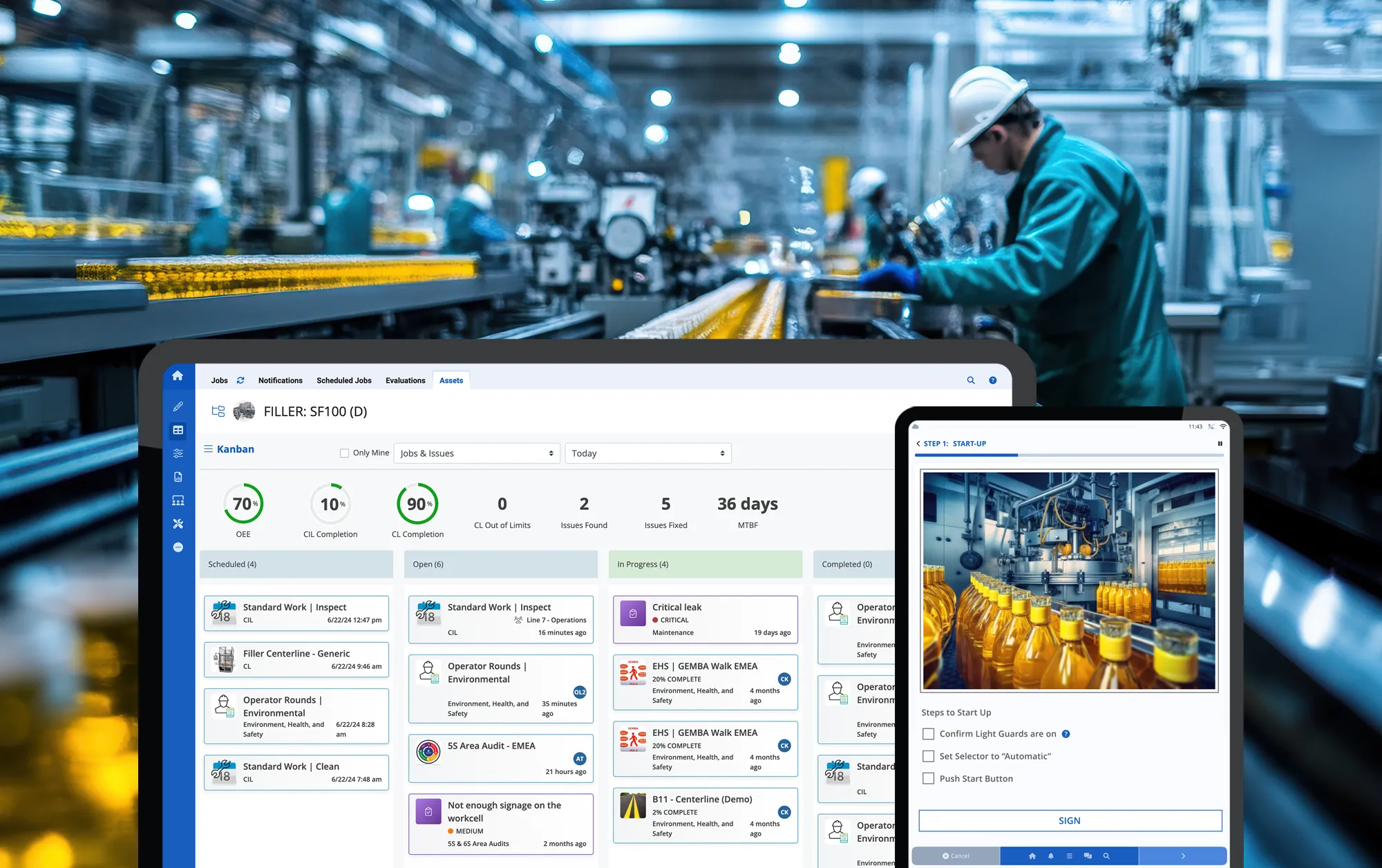
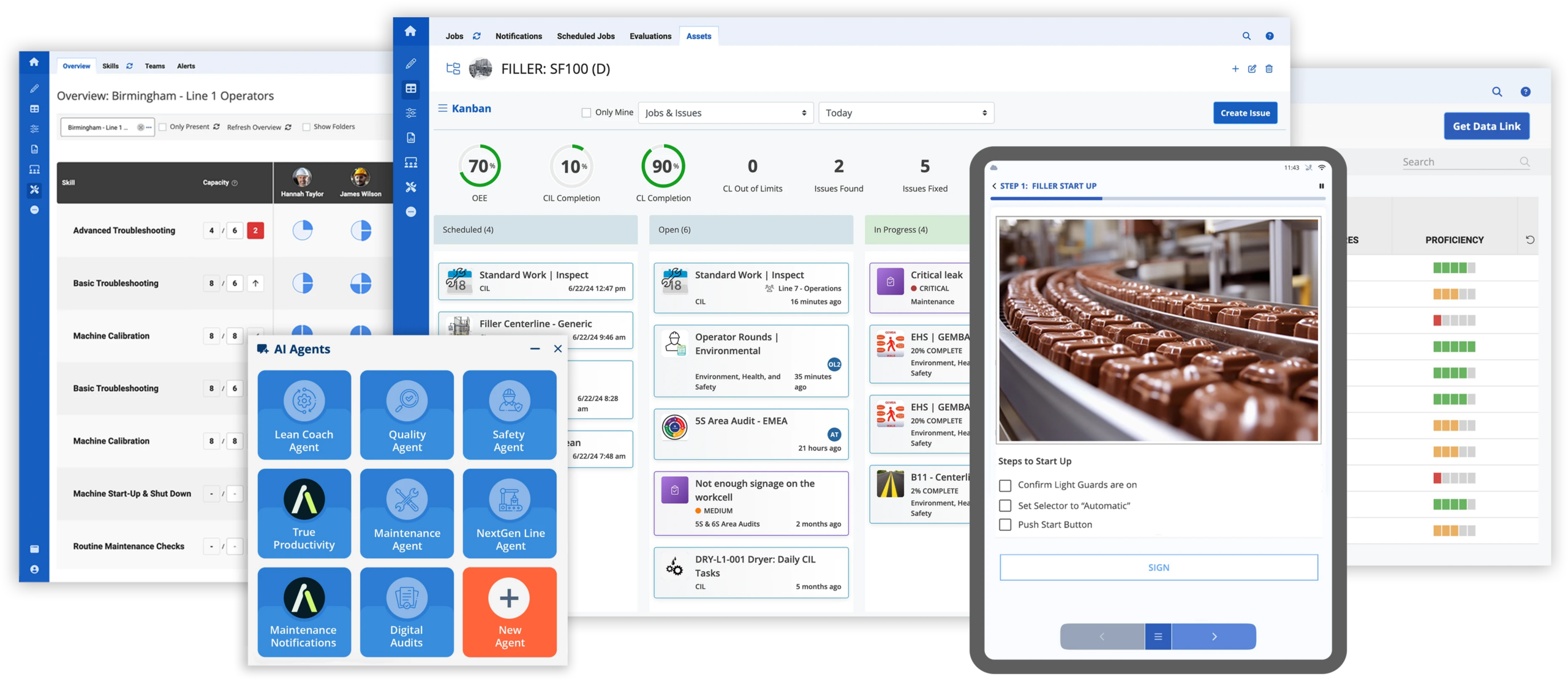
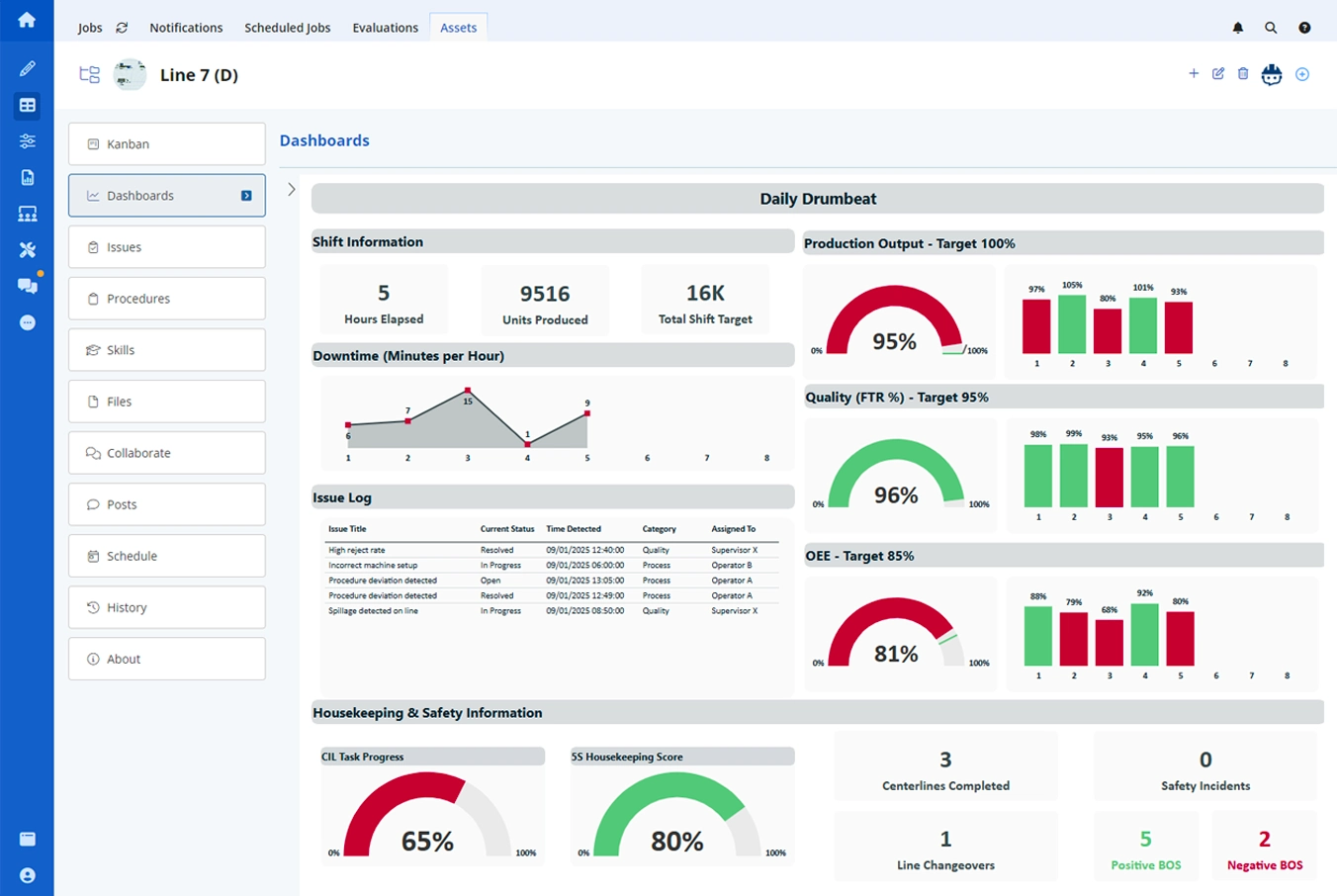
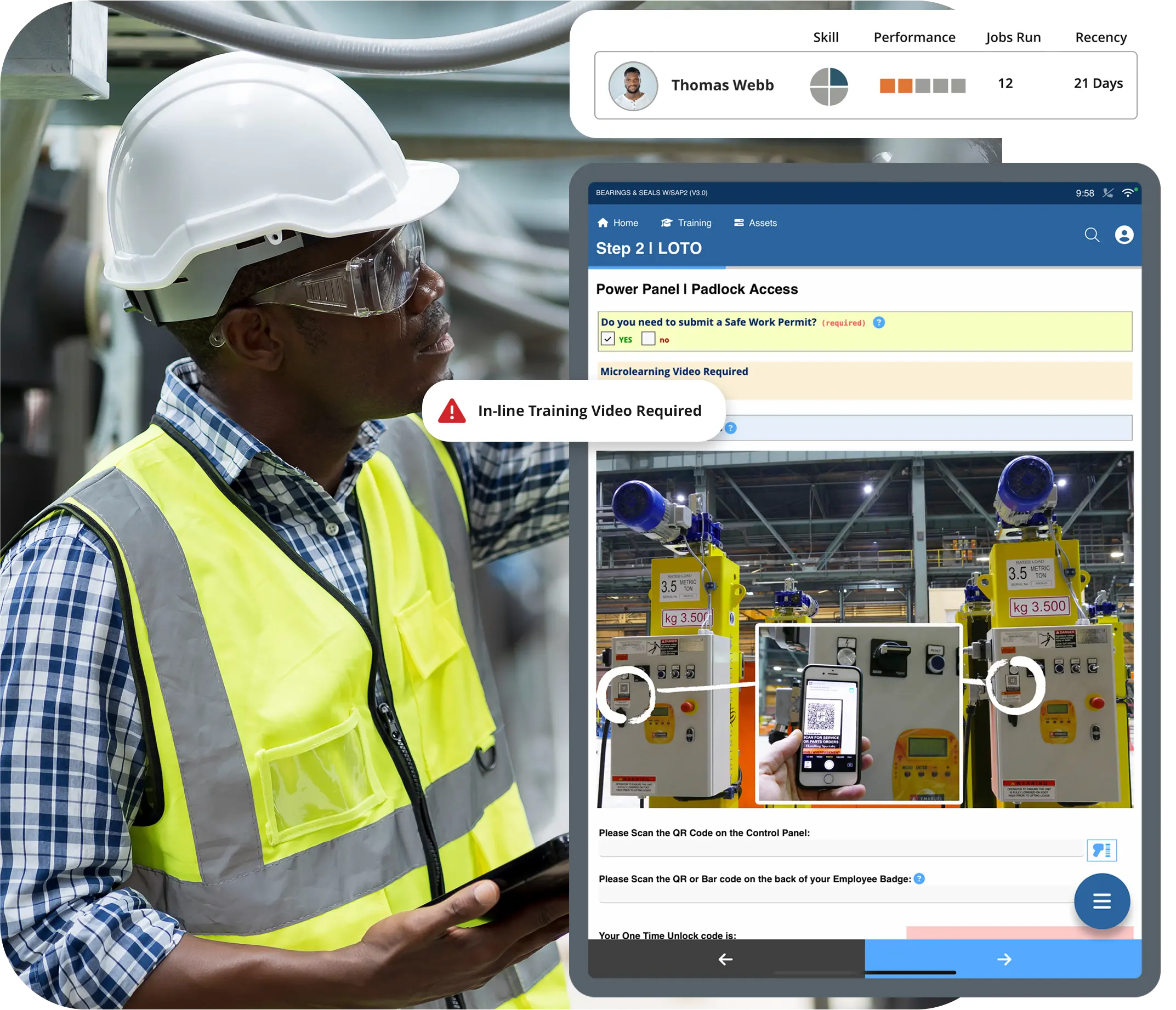
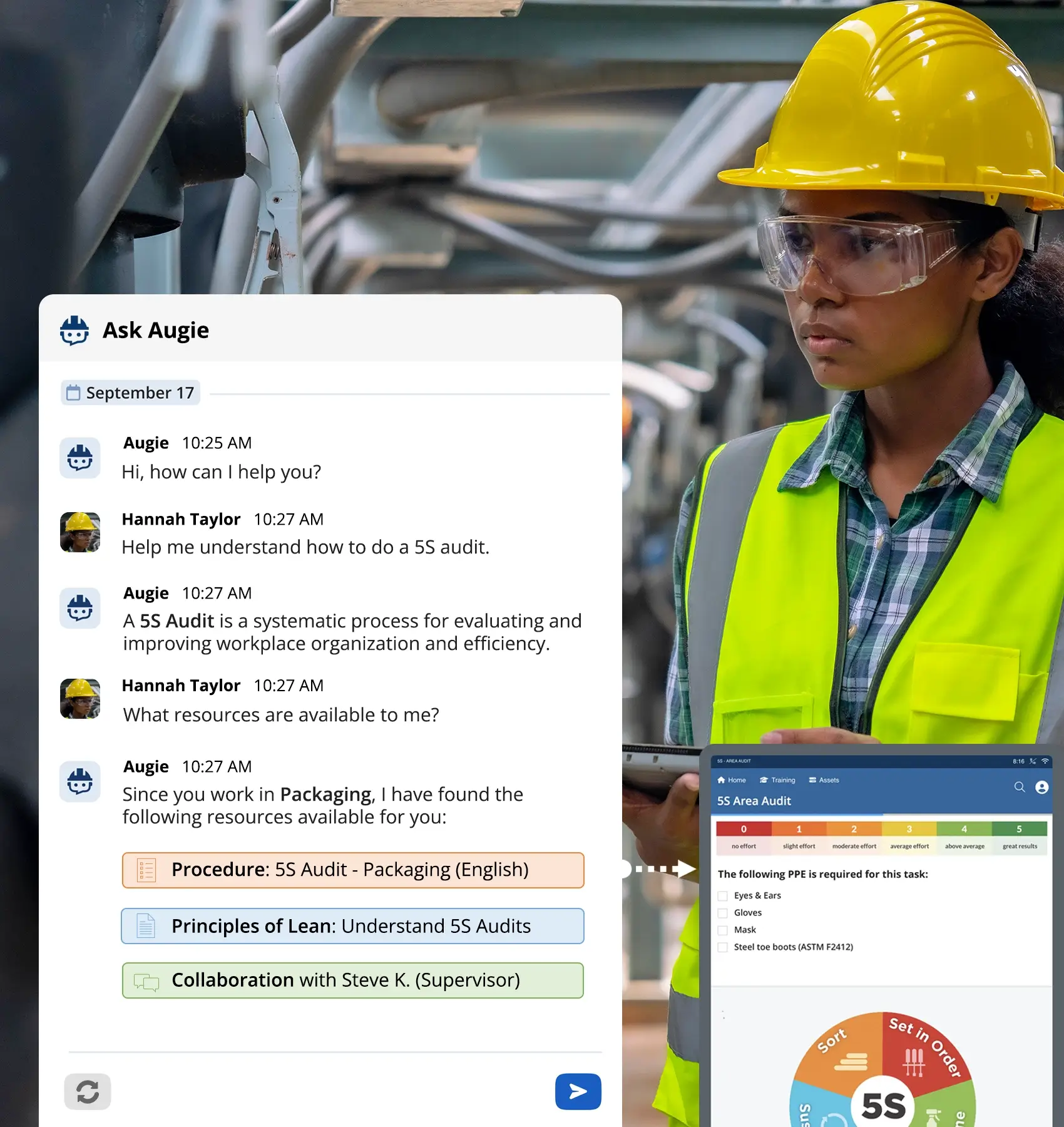
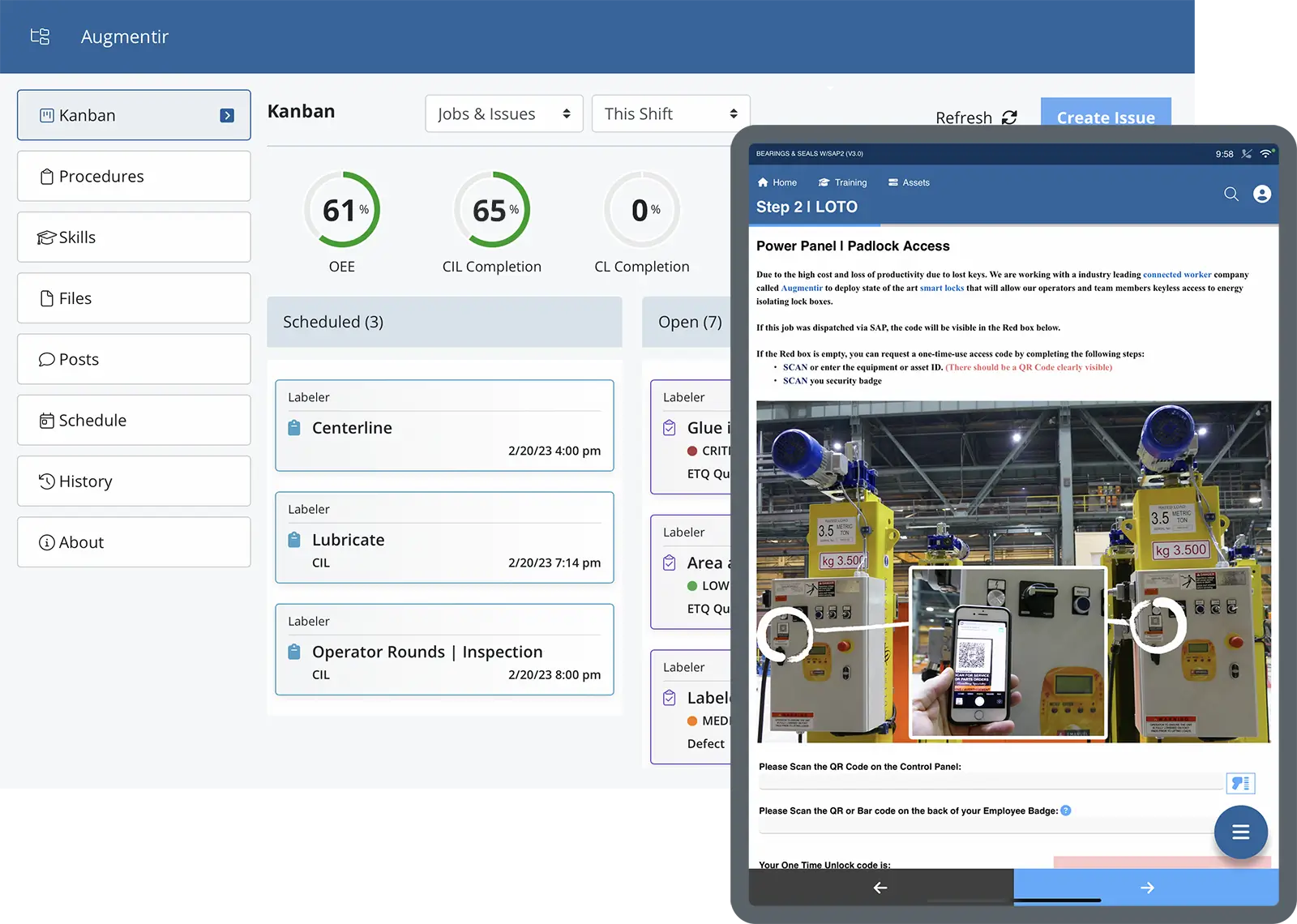
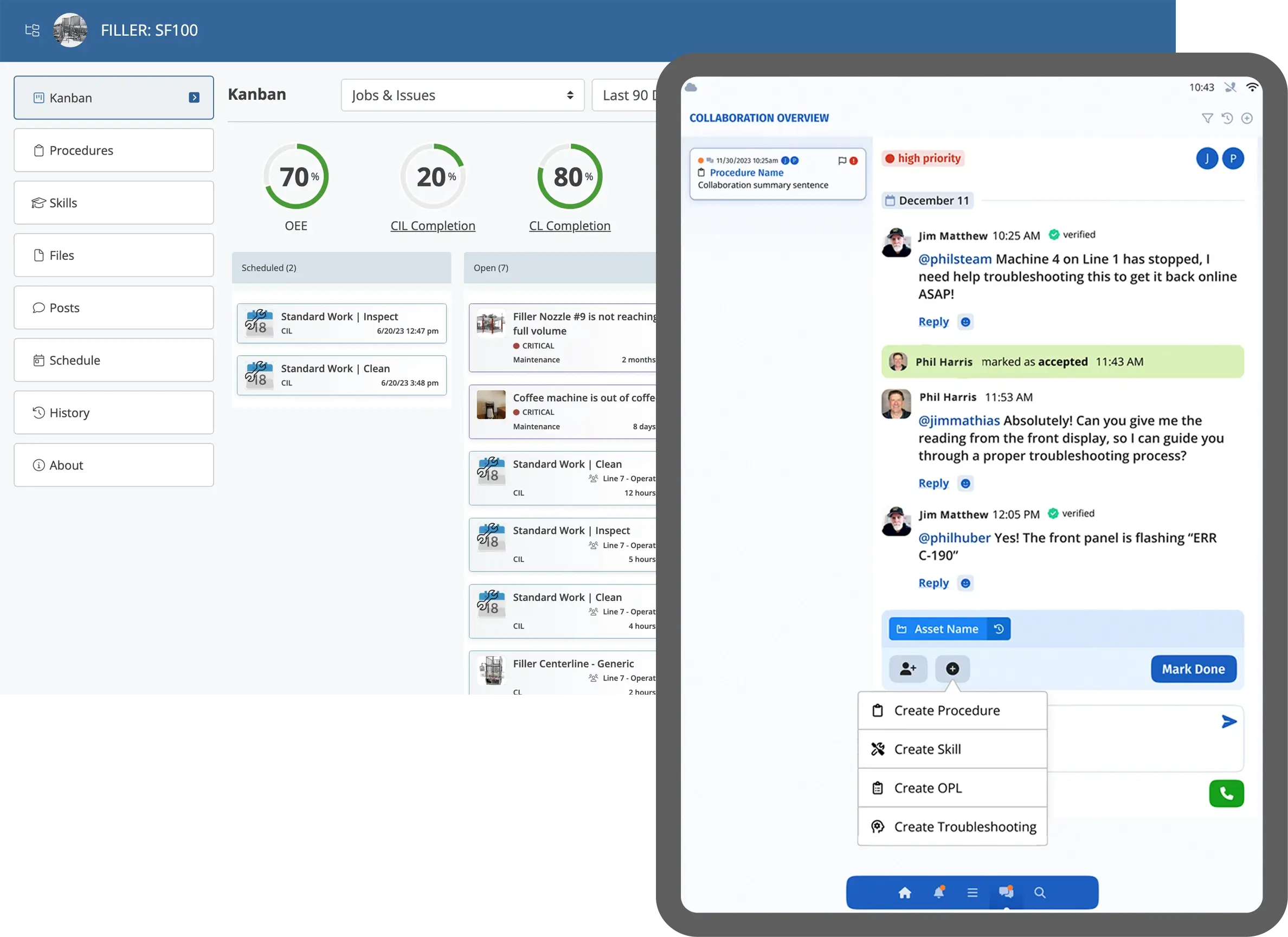
example of digital lean manufacturing software from augmentir

The shift is from retrospective to real-time. Instead of analyzing what went wrong after a shift ends, Digital Lean systems surface problems as they happen and put the right information in front of the right person to act immediately. Instead of relying on the most experienced person on the floor to carry critical process knowledge in their head, adaptive digital work instructions make that knowledge accessible to everyone.

At the center of this model is what Chris Kuntz describes as a “Single Pane of Glass” — a mobile-first, unified platform that integrates with enterprise systems like ERP, breaking down the data silos that have historically separated shop floor operations from business leadership. Frontline workers, supervisors, and executives all gain real-time visibility into the same operational picture, enabling faster, more informed decisions at every level of the organization.

Connected Worker Technology and AI Agents

The technology enabling Digital Lean is a significant departure from legacy systems. Rather than bolt-on software that requires workers to leave the floor to log data, modern connected worker platforms are designed for the frontline. Workers access live data, receive contextual guidance, and log information directly from mobile devices on the line — reducing friction and increasing the accuracy and timeliness of data capture.

AI agents are taking this a step further by acting as always-available digital assistants on the factory floor. These agents can assist workers with troubleshooting equipment issues, surfacing relevant procedures, analyzing real-time operational data, and even supporting autonomous operations in some contexts. The practical effect is that workers, including newer, less experienced employees, can perform at a higher level because they have intelligent support at their fingertips.

Where Digital Lean Makes an Immediate Impact

Quality and compliance: Food manufacturers operate in one of the most heavily regulated industries in the world, where quality deviations can lead to costly recalls, brand damage, and serious public health consequences. Digital Lean replaces many manual quality checks with automated validation and continuous line monitoring. If a pasteurization temperature drifts out of range or a label misaligns, the system triggers an alert or stops the line — before a defective product moves further down the line. Digital checklists built around Lean initiatives like 5S audits, Gemba walks, and centerline management ensure these processes happen consistently, with a complete digital audit trail that makes regulatory inspections far less stressful.

Equipment maintenance and uptime: Unplanned downtime is one of the most expensive problems in food manufacturing, and it’s often made worse by reactive maintenance practices. Digital Lean enables a more proactive approach through autonomous maintenance workflows, AI-assisted troubleshooting, and real-time equipment monitoring. When an issue is detected, workers have immediate access to the right diagnostic information and repair procedures, reducing the time from problem identification to resolution. Over time, the data captured through these workflows also supports better predictive maintenance — moving from “fix it when it breaks” to “fix it before it breaks.”

Changeover agility: High-mix production environments, where manufacturers run dozens of different SKUs and must execute frequent changeovers, are among the most challenging to manage with traditional Lean tools. A changeover that takes 45 minutes instead of 30 doesn’t just waste time; it compounds across hundreds of runs per year. Digital frameworks address this through skills-based, adaptive work instructions that guide operators through complex changeover procedures step by step, adjusting guidance based on the product being run and the operator’s experience level. This reduces errors, speeds up execution, and critically, decouples performance from tribal knowledge.

The Human Element: Empowering the Frontline

One of the most important, yet sometimes overlooked, aspects of Digital Lean is its impact on frontline workers themselves. Digital transformation in manufacturing often gets framed as a story about technology replacing people. Digital Lean tells a different story.

When operators have mobile access to real-time operational data, they become active participants in continuous improvement rather than passive executors of fixed procedures. Real-time metrics let them spot and respond to issues without waiting for a supervisor. Unified communication tools reduce the frustration of trying to escalate problems through disconnected channels. Workers gain a clearer sense of how their actions affect outcomes, which builds accountability and engagement.

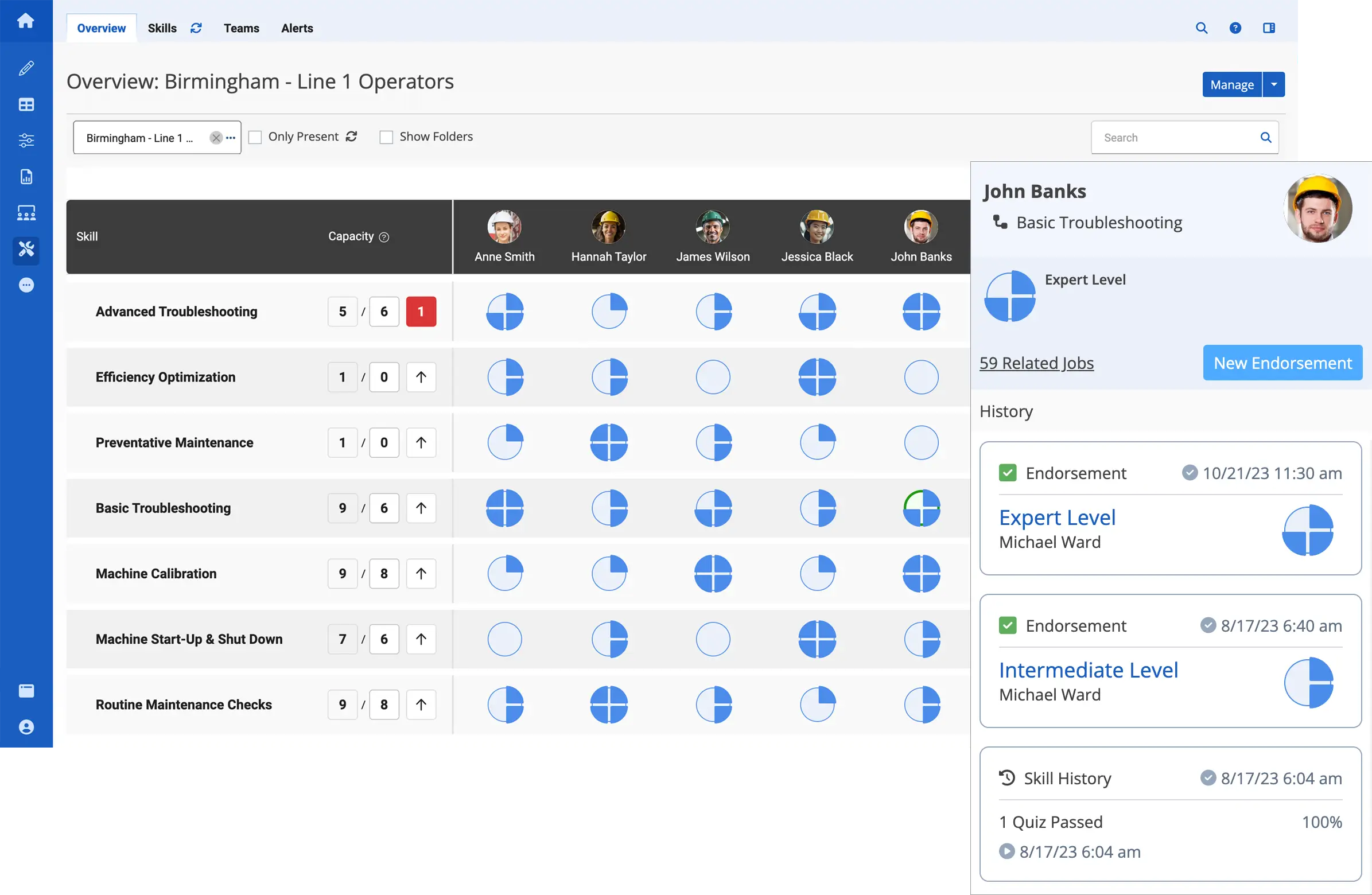
Workforce intelligence capabilities extend this further by identifying where individual workers have skills gaps and where upskilling or reskilling opportunities exist. As the workforce evolves, with more younger, digitally native workers entering the floor alongside veterans, these tools help ensure the organization’s collective capability keeps pace with its operational complexity.

Perhaps most importantly, Digital Lean platforms help capture and institutionalize tribal knowledge. When an experienced operator retires after 25 years, the process insights they’ve accumulated don’t have to leave with them. Digital work instructions, captured troubleshooting guides, and documented best practices turn individual expertise into shared organizational assets.

How Augmentir Enables Digital Lean

For food and beverage manufacturers looking to make the transition from traditional Lean to Digital Lean, Augmentir provides the infrastructure to make it real —  on the plant floor.

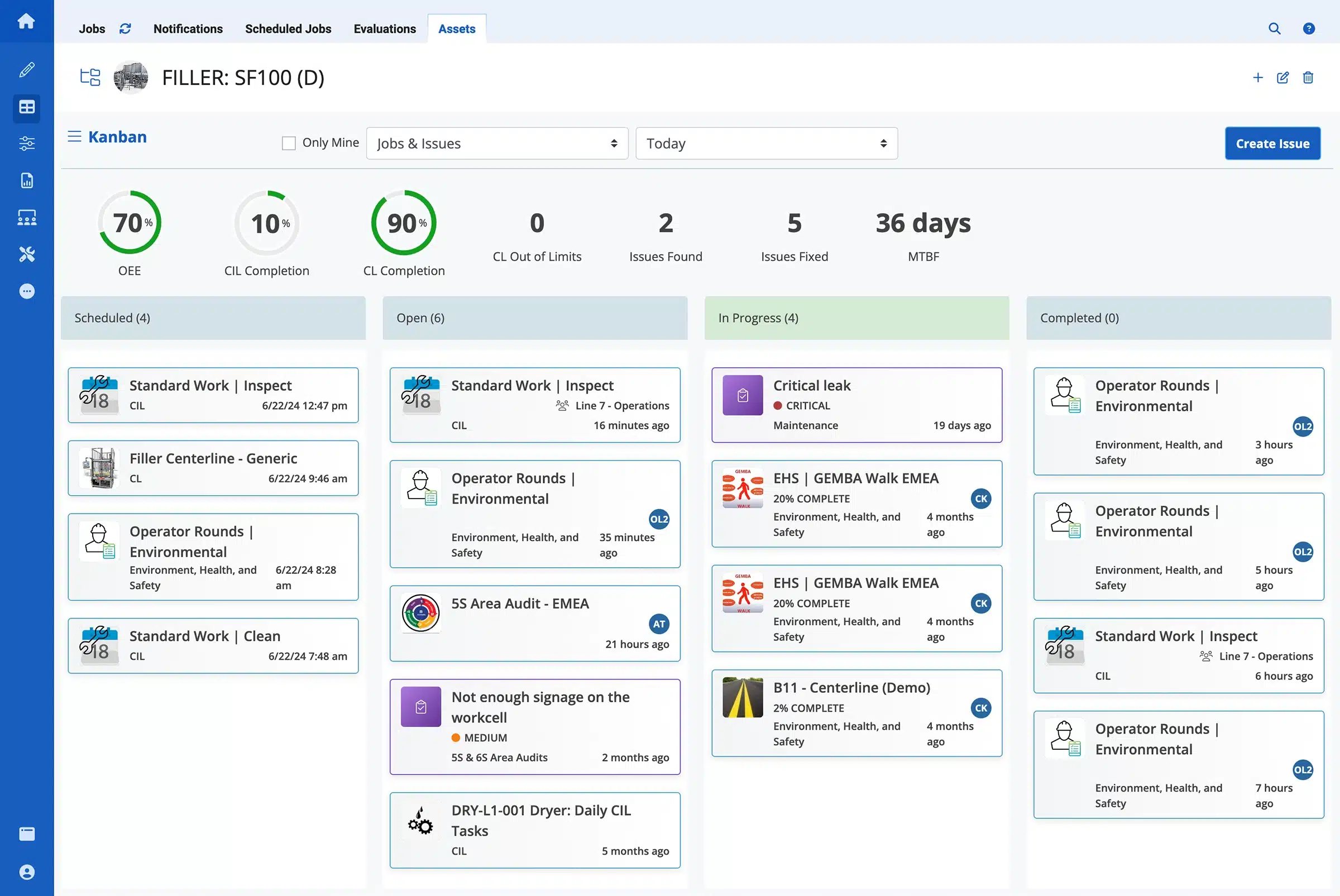
Augmentir’s platform connects workers, processes, and operational data in one unified system, giving manufacturers the “Single Pane of Glass” visibility that Digital Lean requires. Frontline workers get mobile-first access to digital work instructions, real-time quality checklists, and AI-powered guidance all tailored to the individual based on their skills, experience, and the task at hand. Supervisors and leadership gain live dashboards showing exactly what’s happening on the floor, with the ability to identify and act on issues as they emerge rather than after the fact.

Key capabilities that support the Digital Lean journey include:

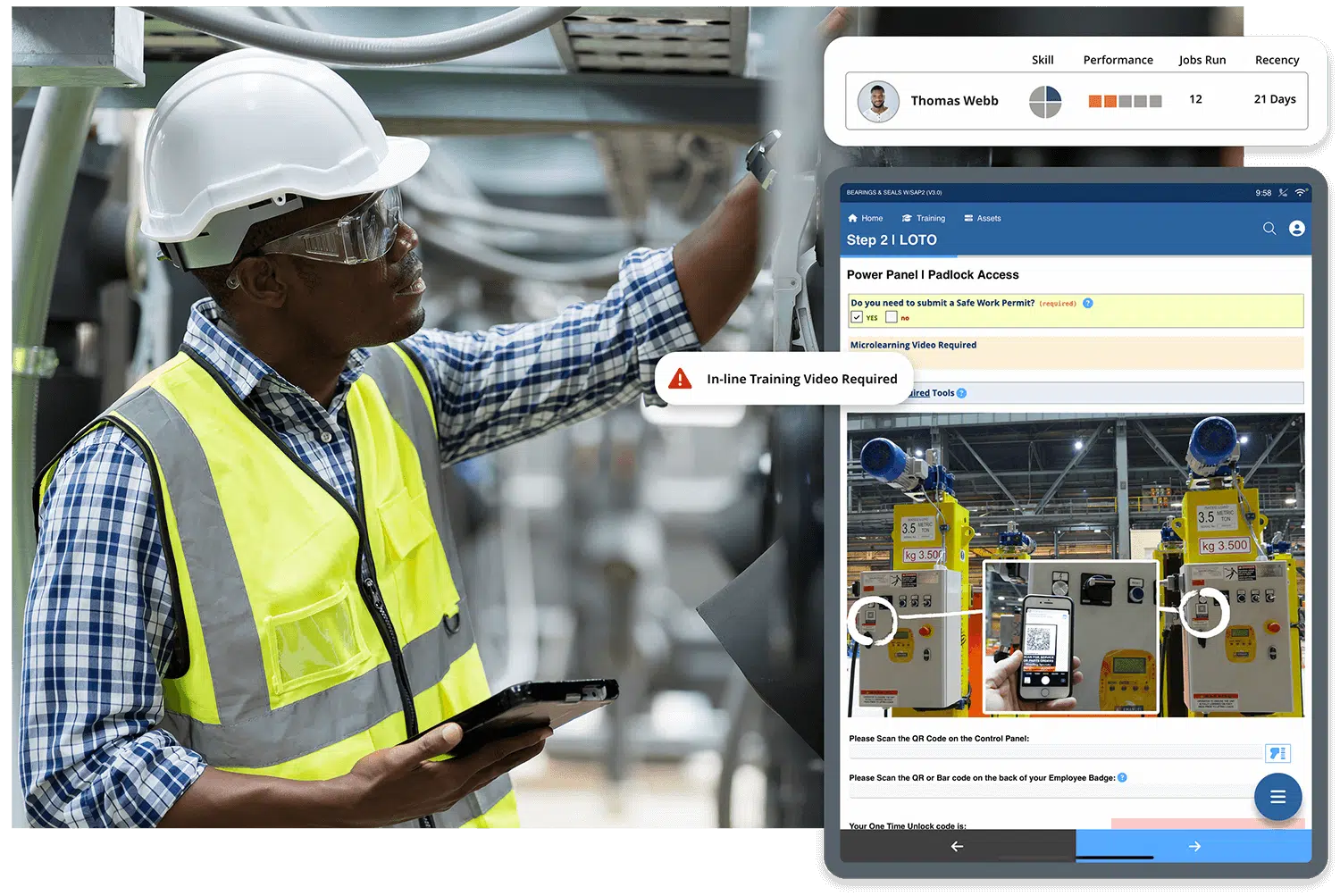
AI-powered work instructions: Augmentir’s adaptive, skills-based digital work instructions evolve with each worker. New operators get more detailed step-by-step guidance; experienced workers get streamlined views. This reduces errors during changeovers, onboarding, and complex maintenance tasks, without requiring a Lean expert on every shift.

Connected quality and compliance: Digital checklists and inspection workflows replace paper-based processes with automated, audit-ready documentation. Augmentir supports 5S audits, Gemba walks, centerline management, and other Lean quality initiatives, with built-in validation logic and real-time alerts that keep quality from slipping through the cracks.

AI agents on the factory floor: Augmentir’s AI agents act as on-demand digital coworkers, helping frontline staff troubleshoot equipment issues, surface relevant procedures, and capture operational data in real time. This accelerates issue resolution, reduces reliance on scarce expert knowledge, and keeps lines running.

Workforce intelligence: Augmentir tracks individual worker performance and skill development over time, giving operations leaders the visibility to proactively close capability gaps, optimize labor assignments, and build a more resilient workforce. Tribal knowledge gets captured systematically and turned into shared organizational assets rather than lost when tenured employees leave.

Food and beverage manufacturers working with Augmentir are able to move faster on their Digital Lean initiatives because the platform is designed specifically for manufacturing frontlines.

The Competitive Standard Is Shifting

The food and beverage manufacturers that are pulling ahead aren’t just running leaner operations — they’re running smarter ones. By building on modern connected worker infrastructure, they’re closing the gap between what’s happening on the floor and what leadership can see and act on. They’re responding to market shifts faster, managing quality more consistently, and developing a workforce that improves continuously rather than just maintaining the status quo.

The shift to Digital Lean isn’t about replacing the foundational principles that have made Lean effective for decades. It’s about giving those principles the infrastructure they need to deliver at the speed and scale modern food manufacturing demands.


Read the full article on Food Industry Executive. 


See Augmentir in Action
Get in Touch for a Personalized Demo


Frequently Asked Questions (FAQ)

  • What is Digital Lean Manufacturing and how is it different from traditional Lean?

    Digital Lean Manufacturing combines Lean principles with real-time data, AI, and connected worker technology. Unlike traditional Lean, which relies on paper-based processes and manual reporting, Digital Lean enables real-time visibility, faster decision-making, and continuous improvement on the factory floor.

  • How can connected worker technology reduce downtime in food manufacturing?

    Connected worker technology, like Augmentir, reduces downtime by giving operators instant access to AI-guided troubleshooting, digital maintenance procedures, and real-time equipment information. This helps teams resolve issues faster and supports predictive maintenance efforts.

  • How does Augmentir support Lean manufacturing in food and beverage?

    Augmentir helps food and beverage manufacturers digitize Lean processes such as 5S audits, Gemba walks, centerline management, and changeovers. Its AI-powered connected worker platform provides digital work instructions, automated quality checks, and real-time operational insights to improve efficiency and consistency.

  • How does Augmentir help food and beverage manufacturers retain triball knowledge?

    Augmentir captures tribal knowledge through digital work instructions, troubleshooting workflows, and standardized best practices. This helps manufacturers reduce training time, improve workforce consistency, and preserve critical operational expertise as experienced workers retire.

Learn how connected worker technology helps eliminate breakdowns in manufacturing, boosting uptime, efficiency, and operational resilience.

Breakdowns are one of the most significant disruptors in manufacturing operations. Whether caused by mechanical failure, human error, or insufficient maintenance, equipment breakdowns lead to unplanned downtime, lost productivity, and increased operational costs. For manufacturers striving for world-class performance, Breakdown Elimination (BDE) is a foundational pillar of reliability-centered maintenance and operational excellence.

breakdown elimination in manufacturing

In this article, we explore what Breakdown Elimination entails, how Connected Worker technology transforms the approach to managing breakdowns, and how innovative platforms like Augmentir empower frontline teams to drive sustainable improvements.

What is Breakdown Elimination?

Breakdown Elimination is a proactive approach focused on identifying, analyzing, and permanently eliminating the root causes of equipment failures. It is a cornerstone of Total Productive Maintenance (TPM) and Lean Manufacturing, targeting improved Overall Equipment Effectiveness (OEE) through systematic problem-solving and process improvement.

Breakdown elimination directly tackles unplanned stops—one of the Six Big Losses in manufacturing—by reducing equipment failures and boosting uptime. Japanese entrepreneur Seiichi Nakajima developed both TPM and the six big losses as a framework for reducing waste and bringing more value to the customer. Eliminating breakdowns improves availability and helps address other losses tied to performance and quality, making it a key driver of overall efficiency.

Unlike reactive maintenance, where the focus is on fixing machines after failure, BDE emphasizes:

  • Root cause analysis (RCA) to understand underlying issues, using the 5 Whys method
  • Frontline involvement in identifying and solving problems
  • Continuous improvement cycles to prevent recurrence
  • Standardized work to sustain gains

The goal is not only to restore functionality but also to implement corrective and preventive actions that stop the problem from reoccurring. Successful BDE programs often involve cross-functional collaboration between operators, maintenance teams, engineers, and management.

Pro Tip

Using digital tools and connected worker technology can help to support Breakdown Elimination at every stage—from detection to resolution and long-term prevention.

A

The Impact of Breakdown Elimination

Breakdown Elimination drives significant value across manufacturing operations, including:

  • Reduced downtime: Identifying and resolving systemic causes of failure increases equipment availability
  • Increased productivity: With more reliable assets, output levels rise without added costs.
  • Lower maintenance costs: Preventing breakdowns reduces emergency repairs, spare part usage, and overtime.
  • Improved safety: Eliminating frequent equipment failures reduces the risk of accidents and injuries.
  • Better workforce engagement: Empowering frontline workers to solve problems promotes ownership and morale.

Despite its benefits, BDE can be challenging to implement without the right tools. Traditional paper-based systems often slow down data collection, obscure visibility into recurring issues, and hinder real-time collaboration.

Connected Worker Technology and Breakdown Elimination

Enter Connected Worker technology—digital platforms that empower frontline workers with real-time access to information, guidance, and collaboration tools.

Connected worker technology helps operators detect early warning signs—leaks, vibrations, temperature changes, and other small issues—before they escalate into breakdowns. In TPM, these early warning signs are often referred to as “Fuguai” — abnormalities or deviations from standard conditions that can lead to equipment failures if not addressed early.

Connected Worker solutions play a transformative role in enabling Breakdown Elimination by addressing several critical needs in the process:

1. Real-time Data Collection

Connected Worker platforms allow operators and technicians to digitally log breakdown events as they occur. This immediate input ensures that data is accurate, timestamped, and enriched with contextual details (such as photos, sensor data, or video clips), which are crucial for effective root cause analysis.

2. Guided Workflows and Standardization

Digital work instructions and SOPs help standardize responses to breakdowns. When an operator encounters a recurring issue, they can follow an optimized troubleshooting guide, reducing variability and guesswork.

3. Enhanced Communication and Collaboration

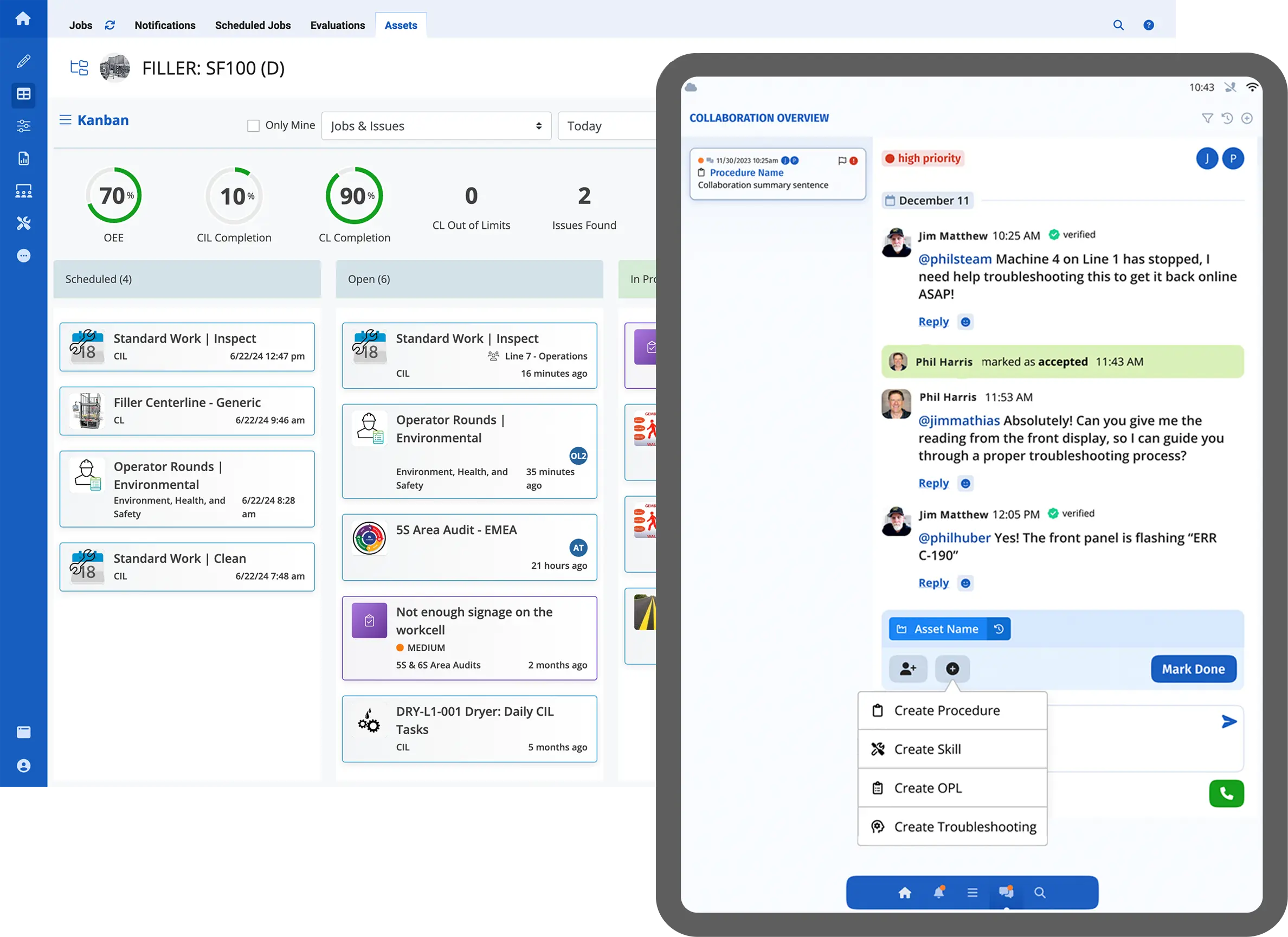
Connected Worker tools support real-time communication across departments and shifts. Maintenance teams can be instantly alerted, engineers can review breakdown trends remotely, and best practices can be shared across sites.

4. Analytics and Continuous Improvement

With integrated analytics, Connected Worker platforms enable manufacturers to identify patterns in breakdown data. Heatmaps, Pareto charts, and KPI dashboards highlight systemic issues and help prioritize high-impact improvements.

5. Frontline Empowerment

Operators are no longer passive reporters of problems; they become active participants in problem-solving. Through digital forms, escalation tools, and feedback loops, workers contribute to eliminating the causes of breakdowns permanently.

How Augmentir Supports Breakdown Elimination

Augmentir, a leading Connected Worker platform powered by artificial intelligence (AI), provides a comprehensive suite of tools designed to support Breakdown Elimination at every stage—from detection to resolution and long-term prevention.

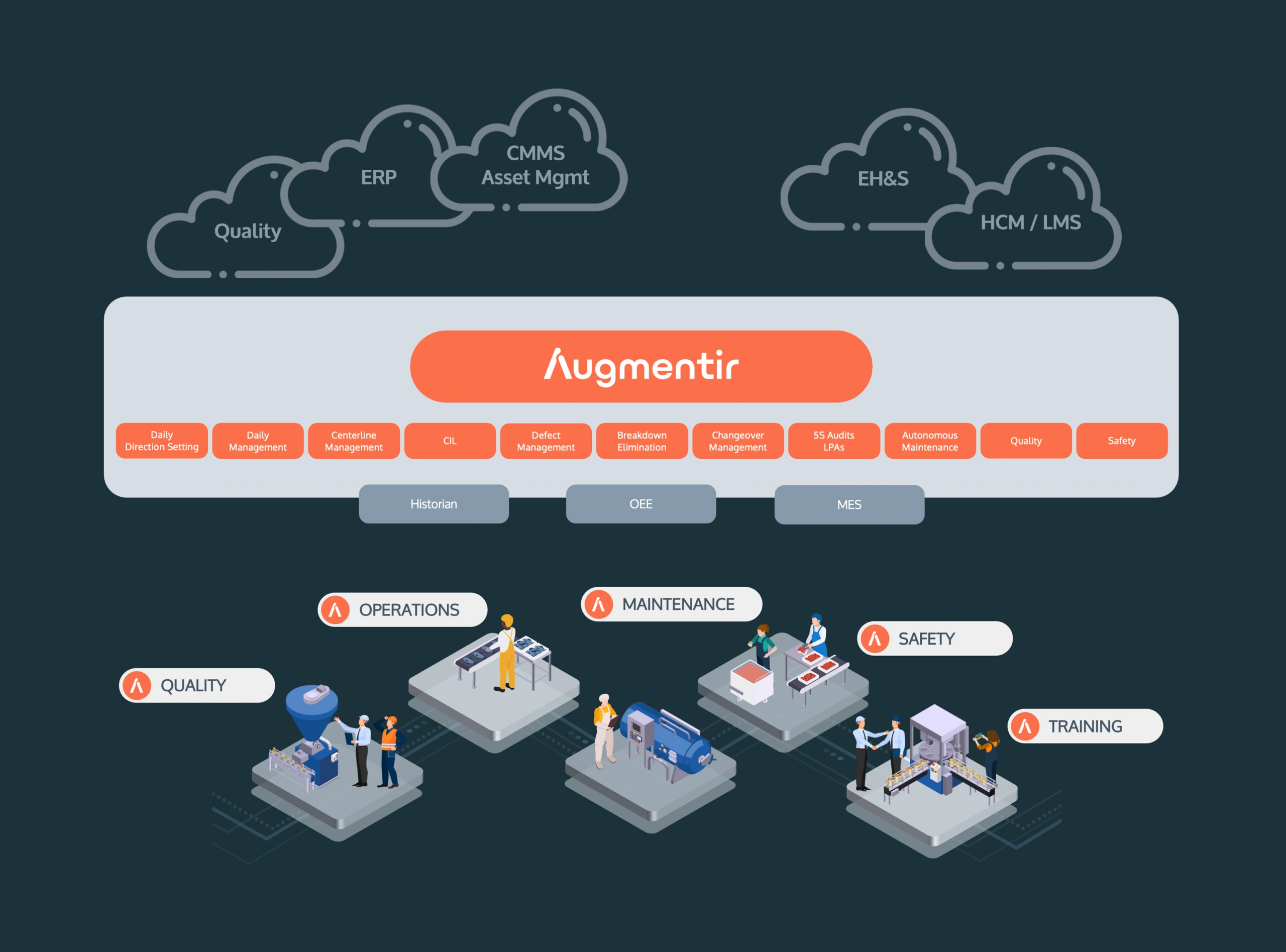
Augmentir serves as a digital frontline operating system for your TPM strategy. With Augmentir, you can digitize, manage, and optimize all aspects of your frontline operation:

  • Daily Direction Setting (DDS)
  • Daily Management System (DMS)
  • Centerline Management
  • Clean, Inspect, Lubricate processes
  • Defect Management
  • Breakdown Elimination
  • Changeover Management
  • Shift Handover
  • 5S and Layered Process Audits
  • Quality Management on the Shop Floor
  • Safety

augmentir connected worker platform – digital frontline operating system for iws

Here’s how Augmentir helps manufacturers eliminate breakdowns:

1. AI-Driven Work Instruction and Guidance

Augmentir’s digital workflows guide workers through inspection, troubleshooting, and maintenance procedures with step-by-step clarity. By digitizing standard operating procedures and enabling smart branching logic, Augmentir ensures the right action is taken at the right time—every time.

When equipment fails, operators can quickly access contextual work instructions based on the specific failure mode, reducing diagnosis time and improving repair accuracy.

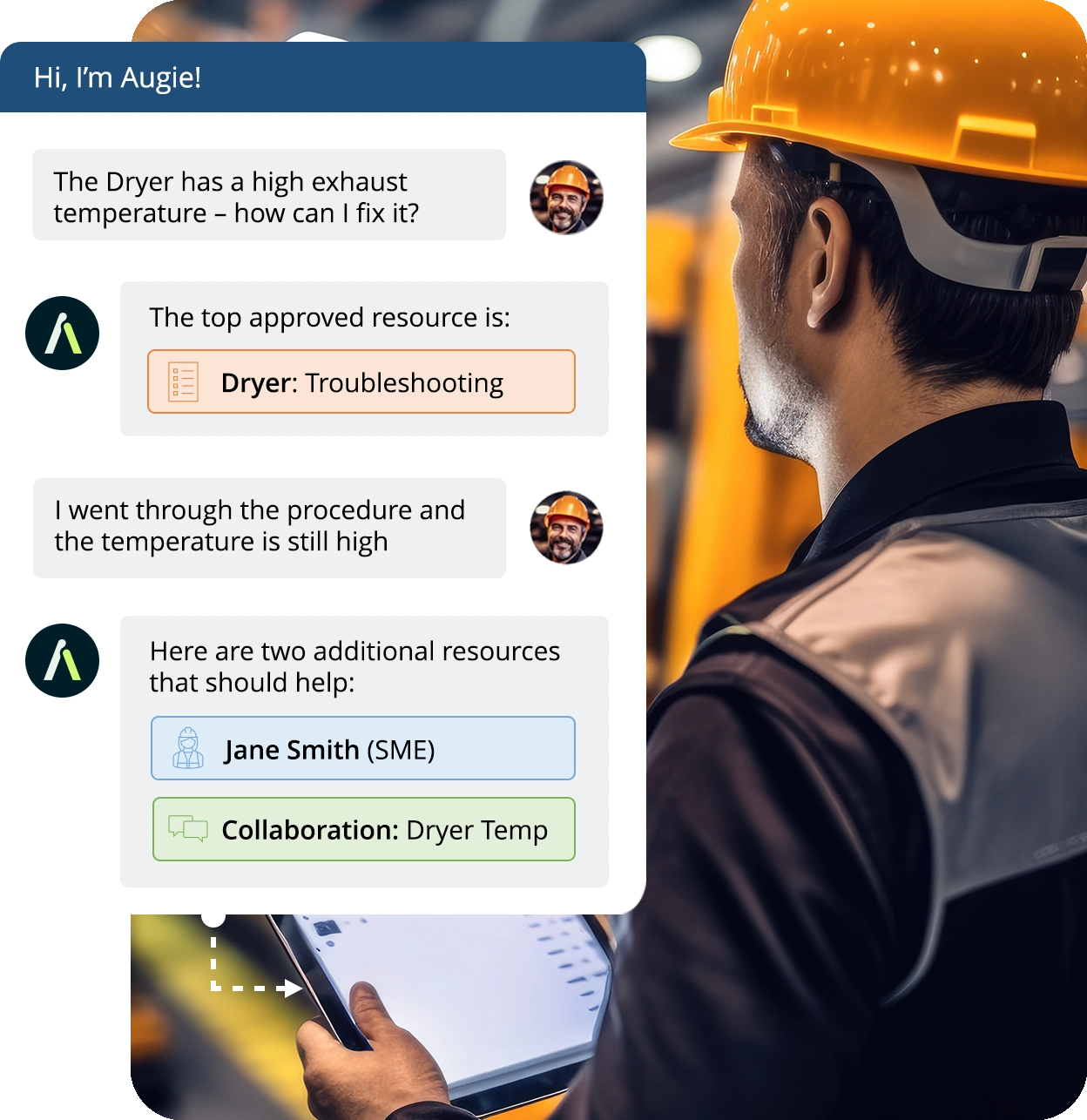
Furthermore, with tools like Augmentir’s Augie – a generative AI assistant for frontline operations, operators can get access to real-time troubleshooting resources and digital guidance.

frontline copilot generative ai for troubleshooting

2. Smart Data Capture

Augmentir enables seamless data capture at the point of work. Operators log downtime events, causes, and corrective actions via mobile devices, tablets, or smart glasses. This data feeds directly into analytics dashboards without manual entry or delays.

Photo and video capture further enriches the data set, providing visual evidence that aids in root cause analysis and training.

3. Continuous Learning with AI Insights

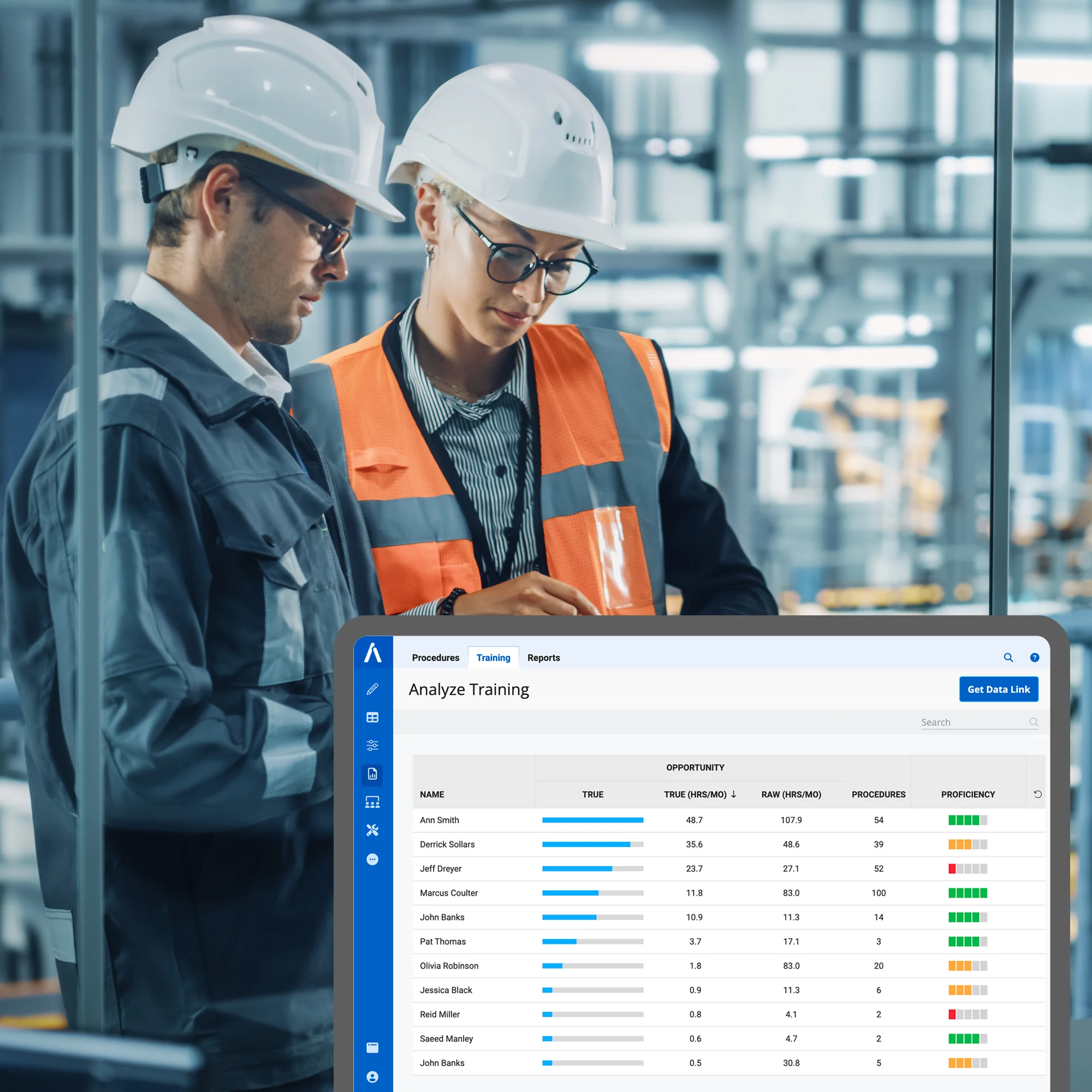
The AI engine in Augmentir analyzes performance data from workers, machines, and processes to identify skill gaps, process inefficiencies, and frequent failure patterns. These insights help prioritize BDE efforts and guide targeted interventions.
For example, if a particular asset experiences frequent minor stops due to operator error, Augmentir can recommend personalized training or suggest procedural adjustments.

4. Cross-Functional Collaboration

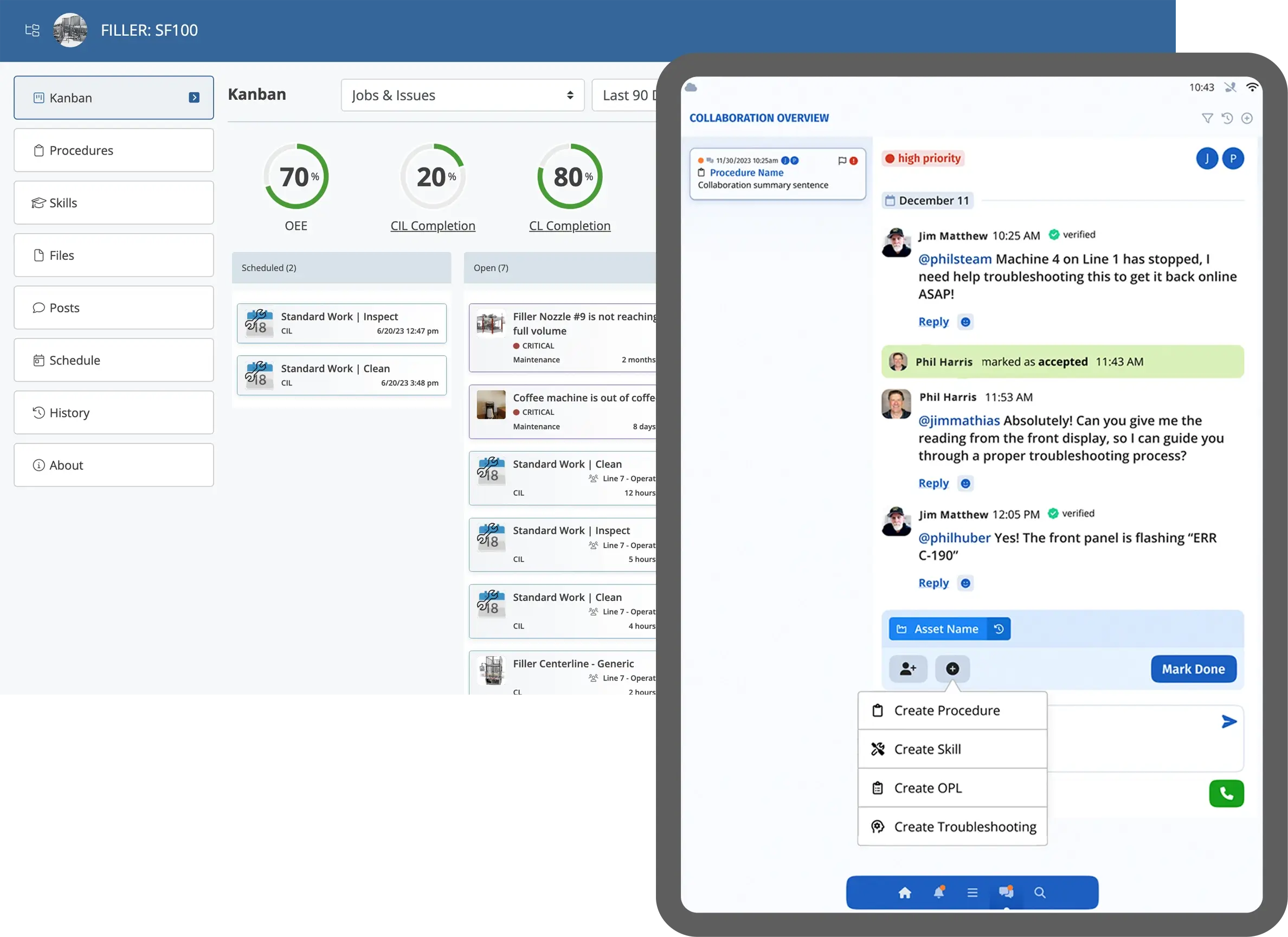
Breakdown Elimination often requires input from multiple departments. Augmentir fosters collaboration by enabling real-time communication and task delegation within a single platform. Issues can be escalated, tracked, and resolved collaboratively, reducing mean time to repair (MTTR).

industrial collaboration using augmentir to support breakdown elimination in manufacturing

5. Knowledge Retention and Transfer

Breakdown Elimination requires that lessons learned are captured and shared. Augmentir creates a living knowledge base where best practices, successful fixes, and RCA findings can be stored and retrieved on demand. New hires benefit from instant access to tribal knowledge, improving ramp-up time and reducing repeated failures.


Contact us today for a live demo.


See Augmentir in Action
Get in Touch for a Personalized Demo

Discover how Hershey’s Digital Lean transformation combines lean principles and connected worker technology to empower frontline teams and drive operational excellence.

In an era where digital transformation is reshaping manufacturing, The Hershey Company offers a compelling roadmap for blending traditional lean principles with modern digital technologies. Through its Digital Lean initiative, Hershey is reimagining daily operations — putting frontline workers at the center of change, reinforcing standardized processes, and building a future-ready digital backbone that enables continuous improvement and operational visibility like never before.

digital lean and operational excellence

Building the Foundation for Digital Lean

Hershey’s Digital Lean journey did not begin with new technology — it began with strengthening the basics of lean execution. Before digitizing operations, the company focused on standardizing lean processes across its manufacturing network to ensure consistency in how work was performed and improved.

According to Will Bonifant, VP of Manufacturing, Engineering, and Supply Chain Strategy, the groundwork focused on three key areas:

  • Standardizing and refining core processes so they were truly lean and repeatable before being digitized.
  • Preparing and engaging the workforce early, ensuring employees understood the purpose of Digital Lean and how new tools would support their daily work rather than disrupt it.
  • Creating a connected digital infrastructure that links systems, data, and people across sites, enabling reliable, real-time visibility into operations.

With these elements in place, Hershey was able to move away from manual, disconnected workflows and toward digitally enabled daily management systems. This shift allowed teams at all levels to access consistent information, identify issues faster, and drive continuous improvement more effectively — defining characteristics of a mature Digital Lean approach.

Connected Workers as a Core Enabler of Digital Lean

Digital Lean at Hershey is already delivering value because it is tightly integrated with connected worker capabilities. As part of this approach, front-line teams are equipped to access information seamlessly, collaborate in real time, and execute work through guided, digital workflows that support lean execution at the point of work.

By embedding connected worker technology directly into its Digital Lean program, Hershey ensures that lean insights don’t stay locked in dashboards or reports — they translate into consistent, actionable behaviors on the plant floor. This alignment reinforces accountability, accelerates problem resolution, and supports continuous improvement across operations.

This approach closely aligns with Augmentir’s philosophy: the future of manufacturing is a human + digital synergy, where technology amplifies worker capability, strengthens lean behaviors, and enables people to perform at their best — every day.

What Digital Lean Looks Like on the Floor

Digital Lean at Hershey isn’t just a tech upgrade — it’s a shift in how work gets executed and improved every day:

Empowered Operators

In the past, operators faced slow, fragmented workflows when problems arose. Today, operators can:

  • Log issues directly via mobile devices,
  • See real-time updates as those issues are resolved,
  • Access performance data that helps them own outcomes on the line.

This enhanced visibility not only speeds problem resolution, but also boosts worker autonomy — a core principle of lean maturity.

Leadership Visibility, Real-Time Actions

Supervisors and plant managers gain a unified view of performance and losses from a single dashboard. This transparency allows them to:

  • Identify bottlenecks and losses quickly,
  • Prioritize corrective actions based on real data,
  • Drive continuous improvement across shifts and sites.

The shift toward digital workflows also means that information no longer lives in silos. Everyone — from operators to executives — benefits from the same accurate, timely insights.

Why Digital Lean Matters for Manufacturers

Hershey’s journey highlights several lessons for operations leaders:

  • Value starts with people first. Digital tools deliver impact only when they support equipped, engaged workers.
  • Standardization enables scale. Ensuring processes are lean before digitizing them reduces frustration and drives sustainable improvements.
  • Data unlocks action. Once lean processes are digitized, real-time insights accelerate problem solving and continuous improvement.

By anchoring digital transformation in lean principles, Hershey is proving that operational excellence and digital innovation are not separate pursuits — they’re mutually reinforcing.

Augmentir: Powering Hershey’s Connected Worker Strategy

As Hershey continues to mature its Digital Lean transformation, sustaining continuous improvement at scale requires more than visibility into performance — it requires connecting digital insights directly to frontline execution. To do this, Hershey leverages Augmentir as its connected worker technology, extending Digital Lean from dashboards into daily work on the factory floor.

augmentir connected worker platform for digital lean in manufacturing

Digital Lean provides the foundation by standardizing processes, digitizing daily management, and enabling real-time performance tracking. Augmentir operationalizes that foundation by connecting people, processes, and data at the point of work. Through AI-driven insights, Augmentir delivers personalized guidance, digital work instructions, and contextual support to operators — ensuring the right information reaches the right worker at the right time.

By using Augmentir as part of its Digital Lean ecosystem, Hershey is able to:

  • Translate insights into action by embedding continuous improvement directly into daily workflows.
  • Empower frontline workers with adaptive, skills-based guidance that evolves as experience and conditions change.
  • Reduce variability and reinforce standard work consistently across lines, shifts, and sites.
  • Capture and scale institutional knowledge to support onboarding, upskilling, and long-term operational resilience.

Within Hershey’s Digital Lean journey, Augmentir represents the critical bridge from visibility to execution — ensuring that digital insights don’t remain isolated in systems, but actively guide how work is performed every day.

As manufacturers move beyond digitizing processes toward truly augmenting human performance, Hershey’s use of Augmentir demonstrates how connected worker technology makes Digital Lean sustainable, scalable, and people-centric — turning continuous improvement into a daily habit rather than a periodic initiative.

Hershey’s Digital Lean transformation is a powerful example of how digital technologies — built on a solid lean foundation — can enhance operational agility, empower frontline workers, and drive measurable business value. As manufacturers navigate the next wave of digital disruption, the key takeaway is clear: start with people and processes, then scale with technology.


See Augmentir in Action
Get in Touch for a Personalized Demo


FAQs About Digital Lean in Manufacturing


  • What is Digital Lean in manufacturing?

    Digital Lean in manufacturing is the integration of traditional lean principles with digital technologies to improve daily operations, visibility, and continuous improvement. It focuses on standardizing processes, digitizing daily management, and empowering frontline workers with real-time data. Platforms like Augmentir make Digital Lean actionable by connecting lean insights directly to frontline execution through AI-driven work instructions, guided workflows, and connected worker tools.

  • How does Digital Lean improve operational excellence?

    Digital Lean improves operational excellence by eliminating manual processes, increasing real-time visibility, and enabling faster problem resolution across the factory floor. When combined with connected worker technology like Augmentir, Digital Lean ensures that insights from dashboards and performance systems are embedded directly into daily work—helping operators, supervisors, and leaders drive consistent, measurable improvement.

  • Why are connected workers essential to Digital Lean success?

    Connected workers are essential to Digital Lean because lean execution happens at the point of work.

    Without connected workers:

    • Insights stay in dashboards
    • Standard work becomes inconsistent

    Augmentir connects workers by delivering real-time guidance, digital standard work, and collaboration tools—ensuring lean behaviors turn into daily action.

  • How does Augmentir support Digital Lean on the factory floor?

    Augmentir supports Digital Lean by turning standardized lean processes into guided digital execution.

    It enables manufacturers to:

    • Deliver AI-powered work instructions
    • Provide contextual, skills-based guidance
    • Reduce variability and errors

    This bridges the gap between Digital Lean visibility and frontline execution.

  • What can manufacturers learn from Hershey’s Digital Lean journey?

    Hershey’s Digital Lean journey shows that successful transformation starts with people and processes.

    Key lessons include:

    • Standardize lean before digitizing
    • Empower frontline teams
    • Embed improvement into daily work

    By using Augmentir, Hershey ensures Digital Lean insights drive real action at scale.

Boost your Clean Inspect Lubricate (CIL) processes with modern digital tools to enhance efficiency, ensure compliance, and reduce equipment downtime.

In manufacturing, it’s often the simplest routines that have the biggest impact. Take CIL—Clean, Inspect, Lubricate, a key part of Autonomous Maintenance. CIL is one of the first maintenance activities operators learn, and one of the most frequently performed. But here’s the thing: when done right, CIL can become a powerful driver of equipment reliability, lean efficiency, and frontline ownership.

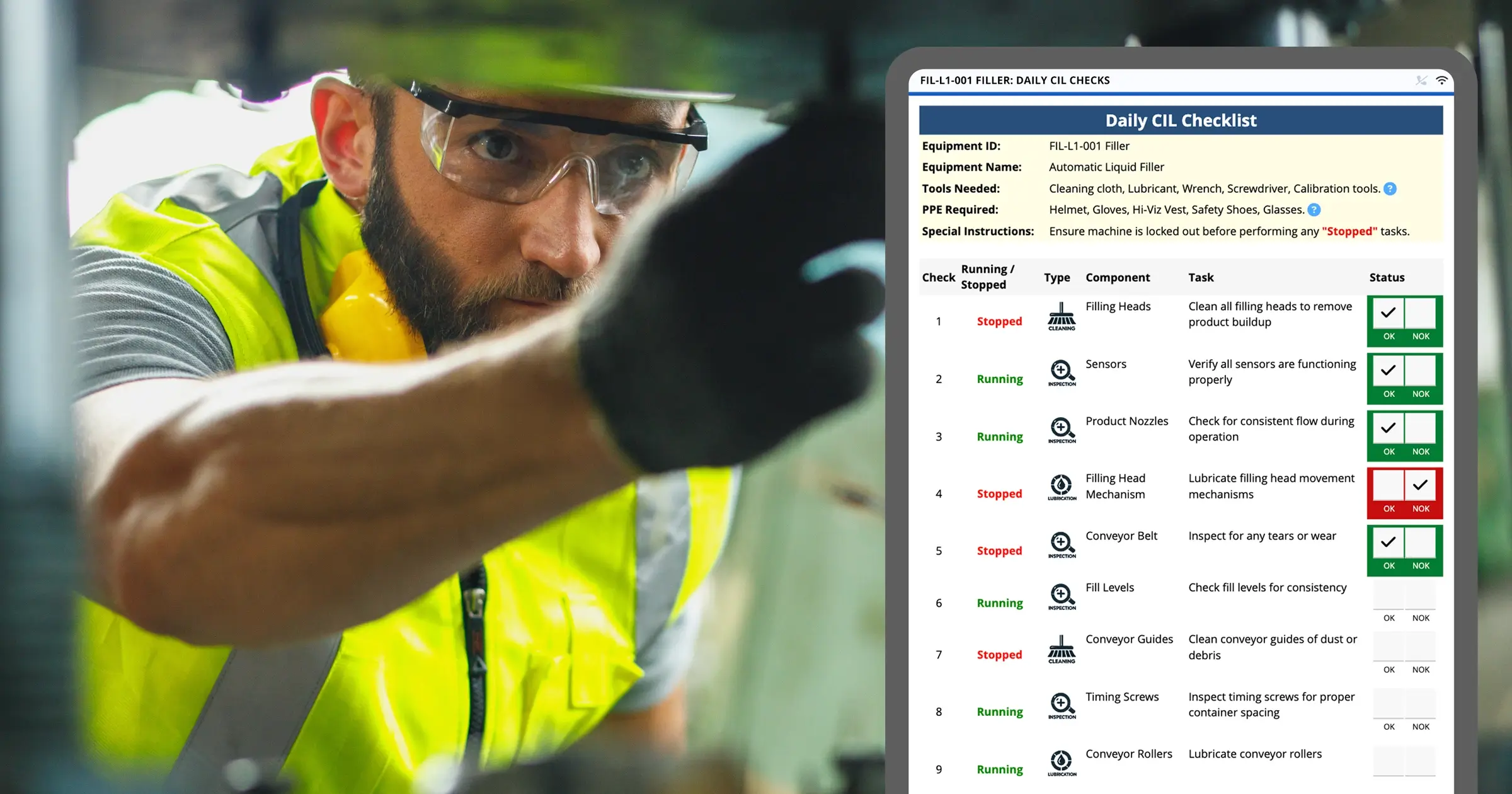
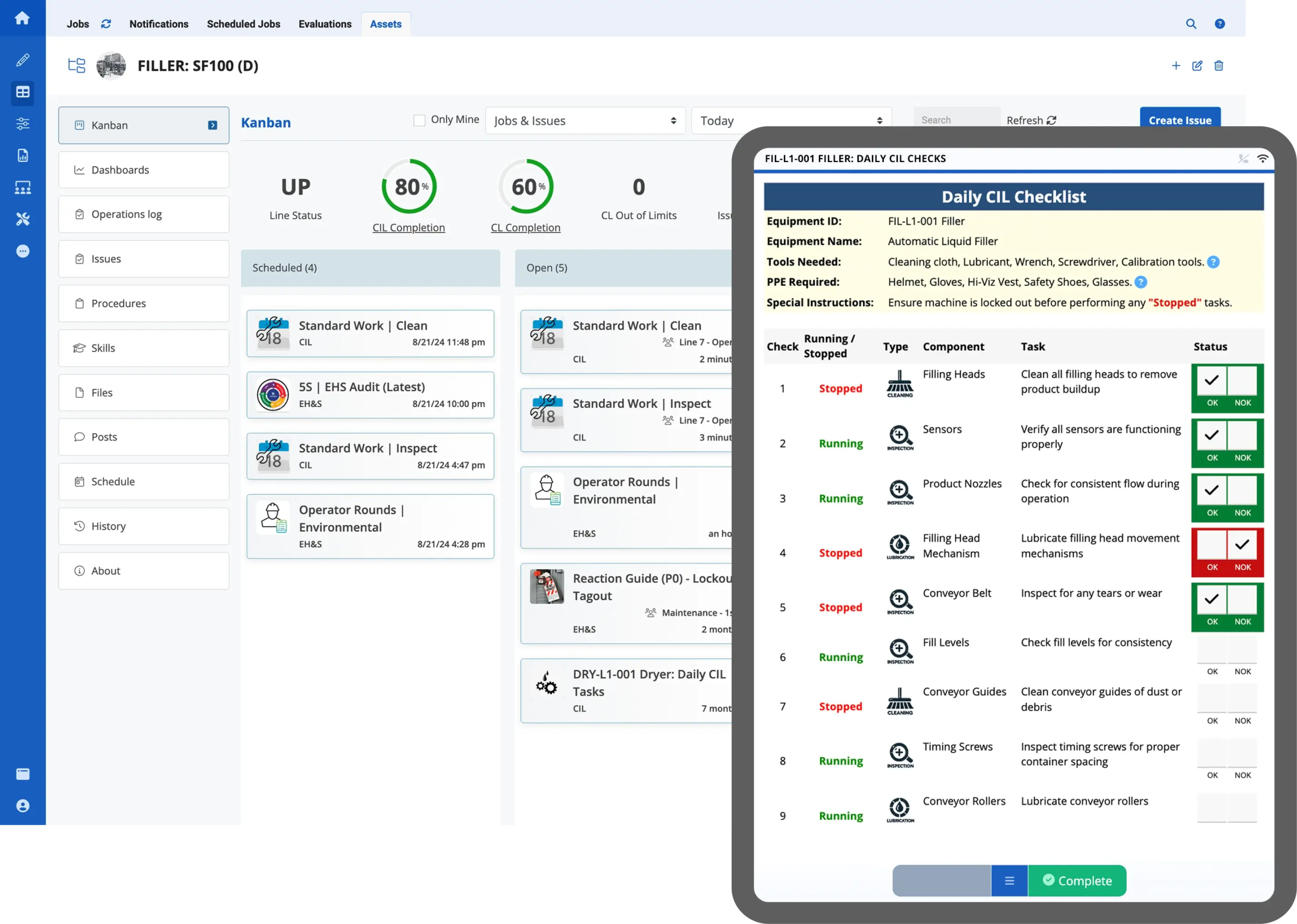
clean inspect lubricate cil with digital tools from augmentir

Unfortunately, in too many factories, CIL is stuck in the past—paper checklists, inconsistent execution, and little visibility into whether it’s even being done. It becomes a checkbox exercise instead of a value-generating process.

At Augmentir, we’re changing that.

Taking CIL Beyond Machine Upkeep

CIL isn’t just about machine upkeep—it’s about unlocking the full potential of your frontline teams. While it’s often viewed as a basic task to keep machines running, we believe CIL plays a far more strategic role in manufacturing. It’s one of the few consistent, hands-on opportunities operators have to engage with their equipment and contribute to its health, performance, and longevity. When done right, CIL boosts equipment reliability, minimizes unplanned downtime, and forms the foundation for Total Productive Maintenance (TPM) and Lean Manufacturing—core principles of the Toyota Production System.

However, the traditional approach to CIL—paper checklists, manual logs, and inconsistent training—limits its potential. Without real-time visibility or standardization, it’s easy for these tasks to become rushed or overlooked, turning CIL into a reactive or even forgotten process. That’s why we approach CIL as a digitally connected, people-centric process. When CIL is embedded into daily workflows, supported with intuitive guidance, and tied into data-driven insights, it becomes far more than routine—it becomes a driver of reliability, workforce engagement, and continuous improvement. In short, we see CIL as a launchpad for smarter operations, and a powerful opportunity to elevate the role of the frontline worker.

clean inspect lubricate autonomous maintenance cil checklist

It’s about building a smarter, more proactive, more connected manufacturing environment—one that prevents problems instead of reacting to them.

Modernizing CIL for Today’s Workforce with Augmentir

At Augmentir, we believe CIL isn’t just a task—it’s a pivotal moment. A moment when operators pause to care for the equipment that powers your operation. Though simple, this act has the potential to connect people, processes, and machines in a way that drives long-term reliability and performance.

Yet in many manufacturing environments, CIL remains an undervalued routine. But we know better. These everyday actions—cleaning a part, inspecting for wear, applying lubrication—are where operational excellence begins. They’re the frontline’s first defense against equipment failure, quality issues, and lost productivity. More importantly, they’re one of the few daily touchpoints where workers can directly influence performance.

Here’s how Augmentir is modernizing CIL to make every moment count:

1. Digital CIL Workflows that Guide and Empower

Frontline workers can access step-by-step instructions on any mobile device or tablet. With clear visuals, safety prompts, and machine-specific guidance, every task is executed correctly—every time. No more guesswork. No more paper binders.

2. Smart Insights that Drive Action

Our AI-powered platform captures and analyzes every CIL activity, helping you spot inefficiencies, missed steps, and recurring issues. Routine maintenance becomes a powerful engine for continuous improvement.

3. Real-Time Visibility and Accountability

Supervisors and maintenance teams gain instant visibility across all lines and shifts. See which equipment has been serviced, who completed the work, and what issues were flagged—without chasing checklists or relying on memory.

4. Embedded Knowledge and Skill Development

CIL is also an opportunity to upskill. Augmentir embeds tribal knowledge into workflows, enabling operators to learn on the job and contribute valuable feedback that strengthens the entire system.

When powered by real-time data and AI, CIL transforms from a basic task into a strategic asset. It boosts decision-making, reveals hidden issues, supports autonomous maintenance, and empowers your workforce. The result? More uptime. More consistency. More engaged frontline teams—and less waste.

At Augmentir, we’re committed to turning these everyday moments into measurable impact. With the right tools, even routine tasks can fuel innovation and resilience.

Ready to turn your CIL program into a competitive advantage?


See Augmentir in Action
Get in Touch for a Personalized Demo

Discover how to optimize shift startup performance during the golden hour in manufacturing – boost efficiency and drive productivity with connected worker technology.

The Golden Hour in Manufacturing refers to the first hour of production after a shift begins, a line is restarted, or a process is changed over. It is a critical window of time where performance, quality, and productivity are closely monitored to ensure a strong, stable start to the shift.

golden hour in manufacturing

AI-powered connected worker solutions give you the digital tools to create a reliable, transparent, and data-driven shift handover — making your Golden Hour truly golden. No more missed info, no more guesswork, just smooth startups and better shift-to-shift alignment.

Read our article below to learn more about the Golden Hour in Manufacturing:

What is the Golden Hour in Manufacturing?

The Golden Hour in manufacturing is the crucial first hour at the start of a production shift, changeover, or restart. This period is treated as a high-priority window to verify that machines, materials, personnel, and processes are all operating correctly and efficiently. During this time, supervisors and frontline workers focus on identifying and resolving any early-stage issues—such as quality defects, equipment malfunctions, or supply shortages—before they can affect the rest of the shift. The goal is to ensure a smooth, consistent startup that sets the stage for high productivity and minimal waste.

This concept aligns closely with lean manufacturing principles, emphasizing proactive problem-solving, first-time quality, and continuous improvement. By closely monitoring performance metrics like first pass yield, cycle time, changeover time (a key performance indicator for quick changeover), and downtime during the Golden Hour, teams can make real-time adjustments and prevent small issues from becoming larger operational setbacks. Many manufacturers also use digital tools and connected worker platforms to standardize Golden Hour checklists, track startup performance, and support operator communication—turning this critical hour into a strategic advantage.

Pro Tip

Using digital tools and connected worker technology can help to standardize and optimize Golden Hour checklists, track startup performance, and support operator communication—turning this critical hour into a strategic advantage.

A

Golden Hour: a Bottleneck and an Opportunity

The Golden Hour is a deceptively small window with an outsized impact. It’s when frontline workers receive their marching orders, assess equipment, respond to unresolved issues from the previous shift, and set the tone for productivity, safety, and quality. But for many manufacturers, this hour can be plagued by inefficiencies.

Bottleneck: Where the Golden Hour Goes Wrong

Here’s how the Golden Hour can become a liability:

1. Incomplete Shift Handover

Most shift changes rely on manual notes, whiteboard updates, or verbal exchanges. These are often:

  • Inconsistent or outdated
  • Lacking context (e.g., root causes, downtime justifications)
  • Not actionable for incoming workers

This creates information gaps that lead to confusion, delays, or rework.

2. Delayed Startup and Lost Time

Operators may spend 30–60 minutes just getting oriented:

  • Locating tools or materials
  • Checking machine status
  • Figuring out which tasks are highest priority

This lost time is rarely tracked, but it compounds over shifts, weeks, and quarters—significantly reducing overall equipment effectiveness (OEE).

3. Unresolved Issues Carry Over

When maintenance issues, quality concerns, or safety risks go undocumented or unaddressed, they often resurface during the next shift—now harder to track and fix.

4. Disengaged or Underprepared Workers

According to Gallup, employee engagement in the U.S. fell to its lowest level in over a decade in 2024, with only 31% of employees reporting being actively engaged at work. In manufacturing environments, this disengagement is especially visible during shift transitions—particularly among new or cross-trained workers. These employees often enter their shifts unsure of what’s expected of them, especially during the critical first hour. Without clear direction, proper onboarding, or real-time support, their uncertainty can quickly lead to avoidable errors, increased dependency on supervisors, and a noticeable drop in confidence and morale. This not only affects individual performance but can disrupt the flow of the entire operation.

Opportunity: A Strategic Window for Gains

When managed well, the Golden Hour becomes a strategic advantage that sets the foundation for a high-performance day.

1. Accelerated Ramp-Up Time

With the right systems in place, workers can:

  • Receive task assignments instantly
  • Access personalized, digital instructions
  • Know the status of machines and ongoing work within minutes

This cuts wasted time and increases output from the get-go.

2. Stronger Communication Between Shifts

Digitized, real-time shift reports ensure continuity by:

  • Highlighting unresolved issues
  • Providing historical context for recurring problems
  • Aligning everyone on goals and priorities

shift handover report - golden hour in manufacturing

Shift Handover Report using Augmentir’s Connected Worker Platform


This minimizes miscommunication and helps to improve shift handover.

3. Data-Driven Decision-Making

Supervisors and plant managers gain instant visibility into:

  • What happened last shift
  • What’s planned this shift
  • Where attention is needed now

These insights help allocate resources more effectively during the most time-sensitive part of the day.

4. Proactive Quality and Safety Checks

The first hour is a prime window to:

  • Identify anomalies before full-scale production starts
  • Catch quality issues early
  • Perform standardized safety walkthroughs

This proactive approach leads to fewer defects, reduced scrap, and improved compliance.

5. Frontline Worker Empowerment

When workers are equipped with the tools, context, and clarity they need right away, they feel:

  • More confident
  • More engaged
  • More likely to solve problems independently

The Impact Golden Hour has on Daily Productivity

The Golden Hour in manufacturing plays a crucial role in shaping daily productivity by establishing a strong operational foundation right at the start of the shift. When this first hour is managed effectively—through proper machine checks, material readiness, and operator alignment—it minimizes early disruptions and ensures that production ramps up efficiently. This proactive approach helps prevent issues from escalating, allowing teams to maintain a steady workflow and hit performance targets more consistently throughout the day.

Conversely, if problems arise during the Golden Hour—such as equipment malfunctions, quality defects, or unclear communication—they often cause delays and require rework, which can drag down productivity for the entire shift. By treating the Golden Hour as a focused period for startup optimization and problem-solving, manufacturers can reduce downtime, improve first-pass yield, and drive a more productive and predictable day on the shop floor.

How Smart Connected Worker Technology Improves the Golden Hour

Connected worker platforms digitize and enhance frontline workflows, enabling smarter, faster shift transitions. Here’s how:

1. Digital Shift Handover Logs

Replace static whiteboards and paper notes with real-time digital logs that:

  • Capture key insights from the previous shift
  • Automatically assign tasks
  • Flag unresolved issues or maintenance alerts

asset management with augmentir

2. Context-Aware Work Instructions

Workers receive personalized, on-demand instructions that adapt to:

  • Role
  • Skill level
  • Machine status
  • Environmental factors

This eliminates confusion and empowers workers from minute one.

integrated work systems with skills tracking and standard work

3. Data-Driven Shift Reports

Supervisors gain visibility into:

  • Performance trends
  • Downtime root causes
  • Operator feedback
  • Real-time metrics

This helps prioritize resources and make smarter decisions during the first critical hour.


4. Enhanced Collaboration & Communication

Connected platforms integrate chat, alerts, and escalation paths so teams across departments (maintenance, quality, operations) can collaborate instantly.

Optimizing the Golden Hour with Augmentir

In the fast-paced world of manufacturing, the first hour of every shift—the Golden Hour—can determine the trajectory of the entire day. It’s a window where clear communication, confident execution, and fast decision-making matter most. Augmentir, the world’s only AI-powered connected worker platform, is purpose-built to optimize this critical time by digitizing processes, guiding workers, and providing real-time operational intelligence.

Instead of relying on manual notes, whiteboards, or verbal updates, Augmentir transforms shift handovers into streamlined, digital experiences. Interactive, time-stamped logs capture production status, unresolved issues, and visual task assignments, ensuring incoming teams are aligned from the moment they clock in.
Workers no longer waste time figuring out what needs to be done. Augmentir’s intelligent platform delivers personalized work instructions, targeted task recommendations, and live feedback, helping every worker start their shift with confidence and clarity—whether they’re seasoned or new to the role.

For supervisors and plant leaders, Augmentir unlocks a deeper level of visibility into early shift performance.The analytics dashboard highlights inefficiencies, recurring downtime, and skill gaps that impact productivity—providing actionable insights right at the point of need.

Augmentir helps close the skills gap during this high-stakes hour. Integrated microlearning delivers training directly within the workflow, reducing ramp-up time and minimizing mistakes during the most impactful part of the day.

By turning the Golden Hour into a moment of alignment and acceleration, Augmentir helps manufacturers unlock new levels of efficiency, agility, and workforce performance—right from the very first minute of the shift.

Contact us today for a live demo.


See Augmentir in Action
Get in Touch for a Personalized Demo

Explore the fundamentals of continuous improvement, the challenges of traditional CI methods, and how technologies like Augmentir are transforming continuous improvement in modern manufacturing.

In today’s competitive global market, manufacturers are under constant pressure to produce more efficiently, reduce costs, and deliver higher-quality products—faster than ever before. To stay ahead, continuous improvement is no longer optional; it is essential. This methodology, rooted in principles like Lean Manufacturing, Six Sigma, and Kaizen, focuses on incremental and ongoing enhancements in processes, productivity, and quality. But what sets the leaders apart in the modern era is how they leverage technology to drive and sustain these improvements at scale.

continuous improvement in manufacturing

In this article, we explore the fundamentals of continuous improvement, examine the challenges of traditional CI methods, and highlight how technologies like Augmentir are transforming continuous improvement in modern manufacturing.

The Core of Continuous Improvement

Continuous improvement (CI) in manufacturing involves systematically identifying, analyzing, and enhancing production processes. It is not just about big innovations; often, the smallest tweaks—reducing downtime, improving machine reliability, or streamlining communication—can yield significant ROI.

Key principles include:

  • Employee Involvement: Workers on the shop floor often have the most direct insights into inefficiencies and can be powerful agents of change.
  • Data-Driven Decisions: Improvements should be driven by measurable performance indicators.
  • Standardization and Feedback Loops: Once better methods are discovered, they need to be adopted, documented, and continuously reassessed.

While the philosophy is sound, many manufacturers struggle with implementation. And that’s where the problems begin.

The Problems with Traditional CI Programs

Despite decades of focus on Lean and Six Sigma, many CI initiatives fall short. Why? Because traditional CI programs are often hampered by outdated practices, lack of engagement, and poor data visibility. Here are some of the most common issues:

1. Siloed and Manual Processes

In many plants, improvement efforts are manually tracked—on paper, spreadsheets, or disconnected systems. This siloed data leads to slow feedback loops and inconsistent execution across shifts or facilities.

2. One-Size-Fits-All Approaches

Traditional CI programs often rely on standardized procedures that assume all workers have the same skills and experience. This ignores the wide variation in frontline worker proficiency and limits personalization in training or task guidance.

3. Lack of Real-Time Data

Many organizations make decisions based on lagging indicators like end-of-month scrap reports or audits. Without real-time insight into what’s happening on the floor, it’s impossible to react swiftly or identify the root cause of issues as they emerge.

4. Low Frontline Engagement

CI often becomes a top-down initiative driven by managers and engineers, rather than frontline workers. When operators aren’t empowered or incentivized to contribute, critical on-the-ground insights are lost.

5. Sustainability Challenges

Even when initial improvements are made, organizations often struggle to sustain gains. Without built-in systems for reinforcement, training, and measurement, improvements fade, and old habits resurface.

These problems don’t mean CI is broken—they highlight the need for modernization. That’s where connected technologies and AI come in.

Technologies Fueling Modern Continuous Improvement

To accelerate continuous improvement, modern manufacturers are increasingly embracing Industry 4.0 technologies—an approach popularized by German engineer and economist Klaus Schwab in his 2016 book The Fourth Industrial Revolution. This movement is reshaping manufacturing by integrating smart technologies that optimize production processes and enhance decision-making. Among the most impactful advancements are Connected Worker Platforms and Artificial Intelligence (AI), both of which are transforming how work is executed and improved on the shop floor.

the connected worker lifecycle and continuous improvement in manufacturing

Connected Worker Platforms

Connected worker platforms provide real-time visibility and data from the shop floor. These platforms link frontline workers with digital tools that enhance communication, guide tasks, and collect performance data. Key benefits include:

  • Standardized Work Instructions
  • Real-Time Communication and Support
  • Digital Training approaches that enhance corporate training methodologies, such as Training Within Industry (TWI)
  • Performance Data for Targeted Improvements

Artificial Intelligence (AI)

AI takes CI to the next level by analyzing massive amounts of operational data—spotting trends, predicting outcomes, and recommending optimizations. Benefits include:

  • Root Cause Analysis
  • Predictive Maintenance and Forecasting
  • Intelligent Guidance for Tasks and Training

Together, these technologies enable a dynamic, responsive CI process that adapts to real-world conditions and human variability.

Augmentir: Elevating Continuous Improvement with AI-Powered Connected Work

In the modern manufacturing landscape, tools that enhance worker productivity, decision-making, and operational visibility are essential. That’s where Augmentir stands out. As a next-generation Smart Connected Worker Platform, Augmentir is uniquely designed to empower frontline workers and enable continuous improvement at scale—using the power of artificial intelligence.

Unlike traditional connected worker solutions that merely digitize paper-based processes, Augmentir goes further. It not only captures data from the frontline—it makes that data intelligent, actionable, and personalized. With built-in AI capabilities, Augmentir helps manufacturers bridge the gap between people, processes, and performance improvement.

What Makes Augmentir Different?

At its core, Augmentir offers a suite of tools that digitize, guide, and optimize frontline work:

Personalized Digital Work Instructions

Augmentir enables the creation and deployment of dynamic, multimedia-rich work instructions. These are personalized based on worker proficiency, reducing errors and improving quality.

connected worker technology for safety compliance


Smart Workforce Management

With real-time skill tracking and performance analytics, Augmentir ensures that the right task is assigned to the right worker—improving efficiency and safety.


Industrial Collaboration

With manufacturing collaboration software from Augmentir, frontline teams can effectively collaborate and share information across across shifts, plants, and languages.

manufacturing collaboration software from augmentir for continuous improvement in manufacturing

Operational Visibility

Every interaction on the shop floor is captured and analyzed to surface trends, bottlenecks, and areas for improvement. Unlike traditional audits or passive reports, Augmentir offers continuous, real-time insights.

workforce performance insights with augmentir ai platform

Generative AI Assistant

Augie, Augmentir’s generative AI assistant, accelerates continuous improvement by delivering real-time insights, generating digital SOPs, and offering intelligent recommendations based on frontline data. By transforming operational activity into actionable guidance, Augie empowers teams to identify inefficiencies, reduce errors, and drive faster, more effective improvements.

augie generative ai assistant for manufacturing standard work

Continuous improvement is the heartbeat of modern manufacturing excellence. But in today’s environment, traditional methods alone are not enough. The path forward lies in combining proven CI philosophies with digital innovation.

With platforms like Augmentir, and tools like Augie, manufacturers can move from reactive problem-solving to proactive performance enhancement—empowering workers, accelerating learning, and ensuring sustainable results.

The future of manufacturing is connected, intelligent, and continuously improving.


See Augmentir in Action
Get in Touch for a Personalized Demo

Learn how to reduce changeover time in manufacturing and the benefits of doing so to maximize production processes.

Providing quality products consistently and on time is at the forefront of customer satisfaction. In today’s competitive market, manufacturers must execute production runs quickly and efficiently to meet customer demand. But equipment and workers can’t operate 24/7. Machines must be properly maintained, workstations require cleaning and employees need rest. This is where optimizing changeover time comes in.

Changeover time is the period that it takes for workers to adjust machines or for assembly lines to start the next product run. A changeover usually includes swapping parts, sanitizing equipment, and preparing it for the next cycle. A good rule of thumb is to keep the changeover period down to less than 10 minutes. You can keep track of your organization’s changeover time by capturing how long it takes to produce each product.

Keeping an eye on your changeover time can help you maximize production and improve processes. Learn more about how you can reduce changeover time in manufacturing by exploring the following topics:

Three steps for reducing changeover time

Minimizing changeover time is a key component of lean manufacturing, a production method aimed at minimizing waste while increasing worker productivity. Implementation of this process of quick changeover can help manufacturers maximize uptime and cut down on waste caused by downtime.

Although there are various steps you can take to reduce it, here are some essential steps to help you get started:

Step 1: Assess your present changeover method.

It’s crucial to look at your existing changeover protocol before taking action to modify it. Try to identify which processes need optimization in order to cut down on the time between inventory runs.

Step 2: Implement single-minute exchange of dies (SMED).

Single-minute exchange of dies is a tool used in lean manufacturing to reduce changeover time to single digits. This means that a successful assembly run should be less than 10 minutes.

It’s helpful if workers have some idea of how long each task (such as switching parts, cleaning, etc.) takes during the production process. This awareness can be cultivated the more they familiarize themselves with procedures and day-to-day routines.

Step 3: Create standard changeover procedures.

Creating standard operating procedures (SOPs) and standardizing work can help with the changeover process. If there aren’t centralized procedures, changeover times will vary based on the employee, how long it takes them to clean up, set up and begin a new production run.

It’s important for procedures to contain explicit directions on how to perform successful changeovers. This can include highlighting which equipment needs to be calibrated and other machinery-related tasks.

Pro Tip

Digitizing changeover procedures can offer several benefits that enhance the overall efficiency, safety, and effectiveness of the changeover process. Digital procedures can be accessed by frontline workers through a mobile device or wearable technology, and help improve accessibility, accountability, standardization, as well as provide visual aids to less-experienced workers performing the task.

A

In a nutshell, having clear instructions makes it easier for workers to know what to expect when it’s time for a changeover.

Benefits of reducing changeover time

Reducing changeover time can yield a number of benefits, especially for companies producing a large number of products on a day-to-day basis.

Some of the advantages include:

  • Makes it easier to transition between production processes
  • Creates a more productive work environment
  • Helps to reduce equipment downtime
  • Gets products to customers faster

How digitization can help

Implementing connected worker solutions that digitize and optimize changeover processes can help reduce the time each changeover takes by providing explicit digital instructions customized to any given task, machine, or worker.

benefits of digital work instructions

Digital work instructions are electronic versions of work instructions, quality manuals, or SOPs that provide necessary visual aids and real-time contextual information to help guide workers through complex tasks. These digital work instructions intelligently deliver guidance and streamline changeover processes with images, videos, augmented reality experiences, and live support from colleagues or subject matter experts.

Augmentir is the world’s first AI-powered connected worker platform that helps industrial frontline workers reduce changeover time in manufacturing using smart technology. Learn how world class manufacturers are using Augmentir to drive improvements across their industrial operations – contact us for a demo today!


See Augmentir in Action
Get in Touch for a Personalized Demo

Learn how Digital Standard Work effectively transforms manufacturing production and enables operational excellence.

Manufacturing organizations are feeling the pressure of increased customer demands, skilled labor shortages, and intense shifts in their frontline workforces, however, they can effectively overcome these obstacles with digital standard work enabled by smart connected worker technology. Digital standard work promotes operational excellence in manufacturing through facilitated knowledge-sharing, enhanced process standardization, increased employee engagement, improved workforce agility, and overall optimization of workforce abilities.

digital standard work in manufacturing

Standardized work in manufacturing (centerlining, machine setup/maintenance, inspection checklists, workforce training, lubrication procedures, etc.) is effective for continuously improving the most efficient and safe methods for performing work to meet customer demand while minimizing waste. Digital Standard Work takes these processes one step further, enhancing them with digital technology to establish a true culture of continuous improvement where frontline workers and shop floor processes benefit from digital workflows, collaboration, AI-powered guidance, generative AI assistants, real-time access to centralized knowledge bases, and more.

By redefining standard work for the digital age, manufacturers can achieve operational excellence through increased efficiency, quality, flexibility, and innovation across their frontline workforces. Read more on Digital Standard Work and how it effectively transforms manufacturing production and enables success:

Digitizing Standard Work in Manufacturing

According to Forbes and McKinsey, through digital tools manufacturers can reduce machine downtime by 30% to 50% and quality-related costs can be reduced by 10% to 20%. Effectively digitizing manufacturing standard work through smart, AI-driven connected worker technology involves:

  • Interactive Digital Work Instructions
    Replace paper-based standard operating procedures (SOPs) with interactive digital work instructions that include multimedia elements like videos, images, and animations. These can be accessed by workers on tablets, wearables, and other mobile devices right on the shop floor.
  • Data Capture and Integration
    Leverage smart tools and sensors to automatically capture shop floor data from the manufacturing process, such as torque values, cycle times, and quality checks. This data can be integrated into the digital work instructions to provide real-time feedback and ensure adherence to standards.
  • Workflow Automation
    Automate non-value-added tasks like data entry, approvals, and documentation through connected worker platforms. This streamlines workflows, reduces errors, and frees workers to focus on value-adding activities aligned with standard work.
  • Knowledge Management
    Digitize and centralize tribal knowledge and tacit knowledge, best practices, and process documentation in a connected worker platform. This ensures standardized methods are easily accessible and updatable for consistent knowledge sharing across the workforce.

Using smart, connected worker platforms to digitize and optimize standard work in manufacturing drives improved productivity, ensures better and more consistent product quality, and fosters a safer work environment for enhanced operational success. Connected worker platforms that digitize standard work can also be used to support a company’s broader IWS  (integrated work systems) strategy, which helps improve operational excellence in manufacturing.

Pro Tip

Using a low-code no-code workflow builder simplifies the creation of complex digital workflows for frontline work processes. Furthermore, integrating remote collaboration tools facilitates real-time guidance, knowledge sharing, and the ability to update standard work procedures based on captured tribal knowledge.

A

Engaging Frontline Workers with Digital Standard Work

As manufacturing workforces shift due to retirement and tribal knowledge loss, effective workforce training has become critical for continued success. Interactive digital interfaces, augmented and enhanced capabilities, and wearable technologies make standard work practices like workforce training more engaging and accessible, improving workforce adoption and adherence.

Digital tools facilitate information visibility and knowledge sharing among frontline workers, enabling them to learn from each other, share best practices, and contribute to a culture of continuous improvement. By tracking and analyzing performance data from digital systems, manufacturers can identify top performers, provide personalized feedback, and recognize achievements, fostering a sense of engagement and motivation among frontline workers.

Digital Standard Work empowers frontline workers by involving them in process improvements, recognizing their contributions, and providing opportunities for learning and growth, leading to increased job satisfaction and commitment. By leveraging digital technologies and interactive interfaces, manufacturers can transform Standard Work procedures into engaging and empowering experiences for their frontline workforce, driving productivity, quality, and a culture of continuous improvement.

Most importantly it gives manufacturing frontline and factory staff the tools they need to be successful and thus create a more satisfied environment where employees come to work and feel good about what they are doing and how they are doing it.

Driving More Effective Collaboration

Digital standard work also facilitates better collaboration across your frontline teams. Effective communication starts with digital tools, and by implementing digital standard work with connected worker technology, manufacturers can connect frontline team members across shifts, departments, locations, and languages, improving visibility into workforce planning, training, skills tracking, daily management, troubleshooting, and more.

industrial collaboration with augmentir

From frontline workers to executives, a digital standard work strategy that leverages connected worker technology allows employees to collaborate seamlessly and easily access information. Connected worker solutions that include industrial collaboration tools allow workers to virtually connect to subject matter experts for remote guidance and assistance. These software tools are becoming commonplace in manufacturing and other industrial settings, where companies are faced with an increasingly distributed and remote workforce, yet still require team collaboration to help troubleshoot and resolve issues. In a nutshell, workers can get more done with greater accuracy in less time.

Interested in learning more?

If you’d like to learn more about how Augmentir and our AI-powered connected worker solution digitizes standard work, streamlines operations, improves communication, and empowers frontline workers with the tools and information they need, schedule a demo with one of our product experts.


See Augmentir in Action
Get in Touch for a Personalized Demo