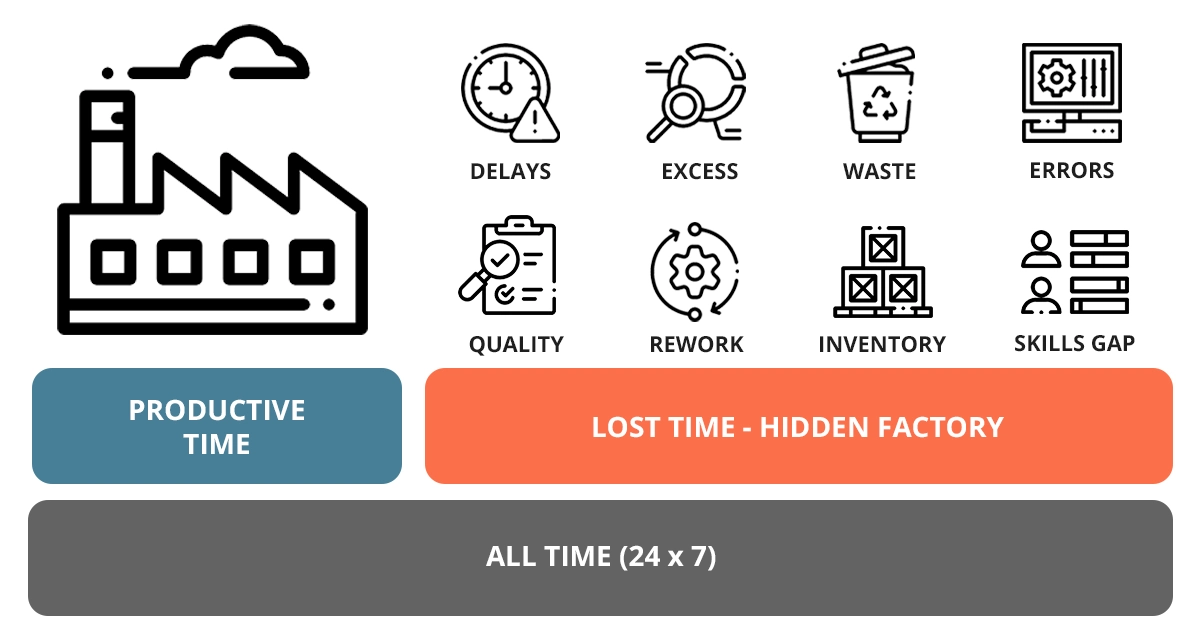
Minimizing your Hidden Factory and improving operational efficiency involves a combination of strategies and methodologies aimed at identifying and addressing waste, defects, and inefficiencies within an organization. Common approaches include adopting principles from lean manufacturing, which focuses on eliminating waste in all its forms, as well as incorporating processes like continuous improvement, Six Sigma, root cause analysis, and data-driven decision-making.
Consider leveraging digital technology and automation to streamline processes, reduce manual intervention, and minimize the potential for errors.
Here are 3 ways to help minimize the hidden factory:
1. Go Paperless
A paperless factory uses digital technology to manage production, keep track of records, and optimize jobs being executed on the shop floor. Paperless manufacturing is intended to replace written record-keeping as well as paper-based work instructions, checklists, and SOPs, and keep track of records digitally.
For example, in most manufacturing operations, everything from quality inspections to operator rounds and planned and autonomous maintenance is done on a regular basis to make sure factory equipment is operating properly and quality and safety standards are met. In most manufacturing plants, these activities are done manually with paper-based instructions, checklists, or forms.
Operators and shop floor workers in paperless factories use software to execute work procedures and see production tasks in ordered sequences, which enables them to implement tasks accordingly. Workers are able to view operating procedures using mobile devices (wearables, tablets, etc.) in real-time. This helps to digitize and standardize quality control and inspection procedures, maintenance routines, and many other operational processes.
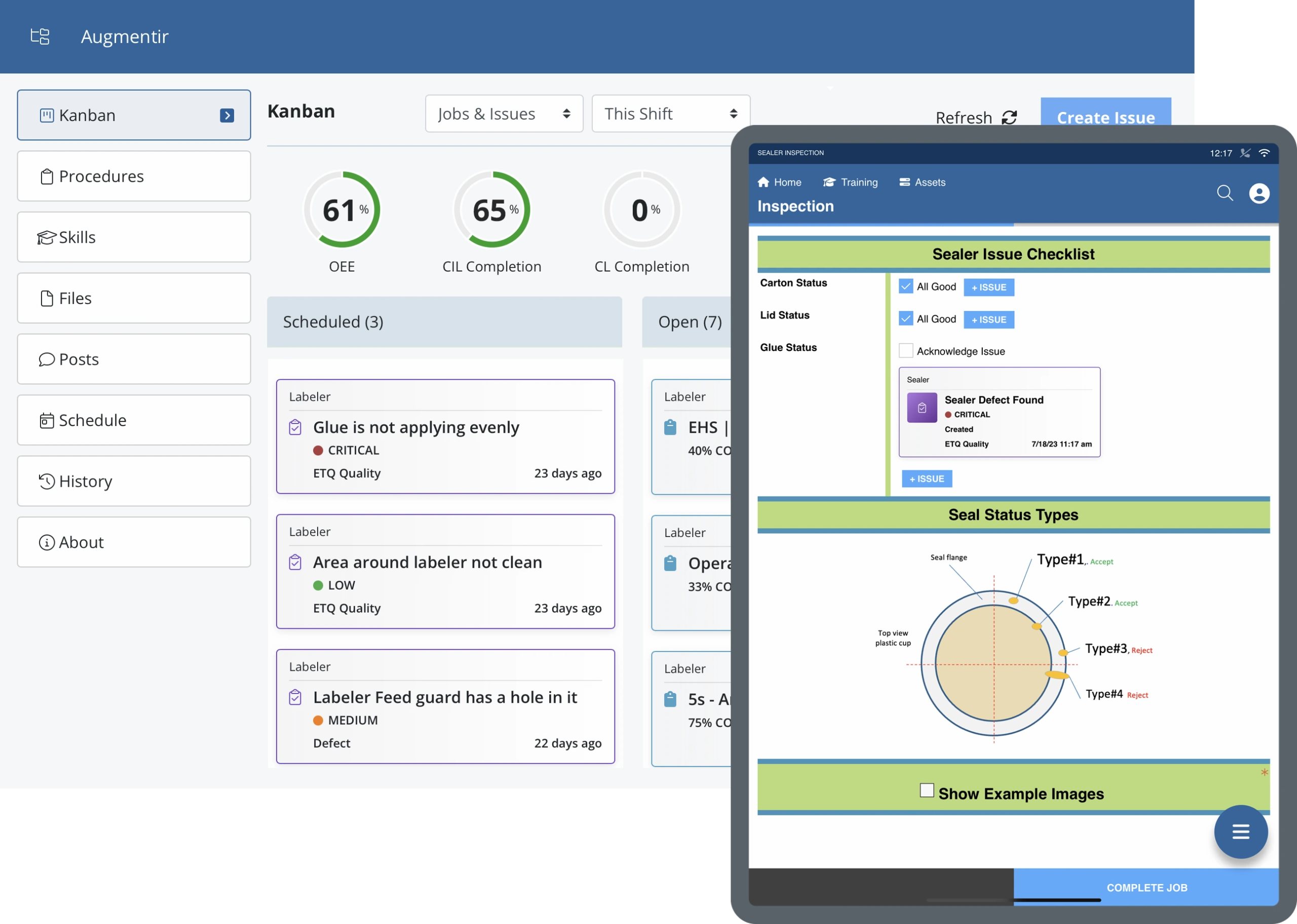
A paperless system can revolutionize production processes, significantly reduce defects and waste, optimize workforce management, and improve production operations.
2. Standardize Work
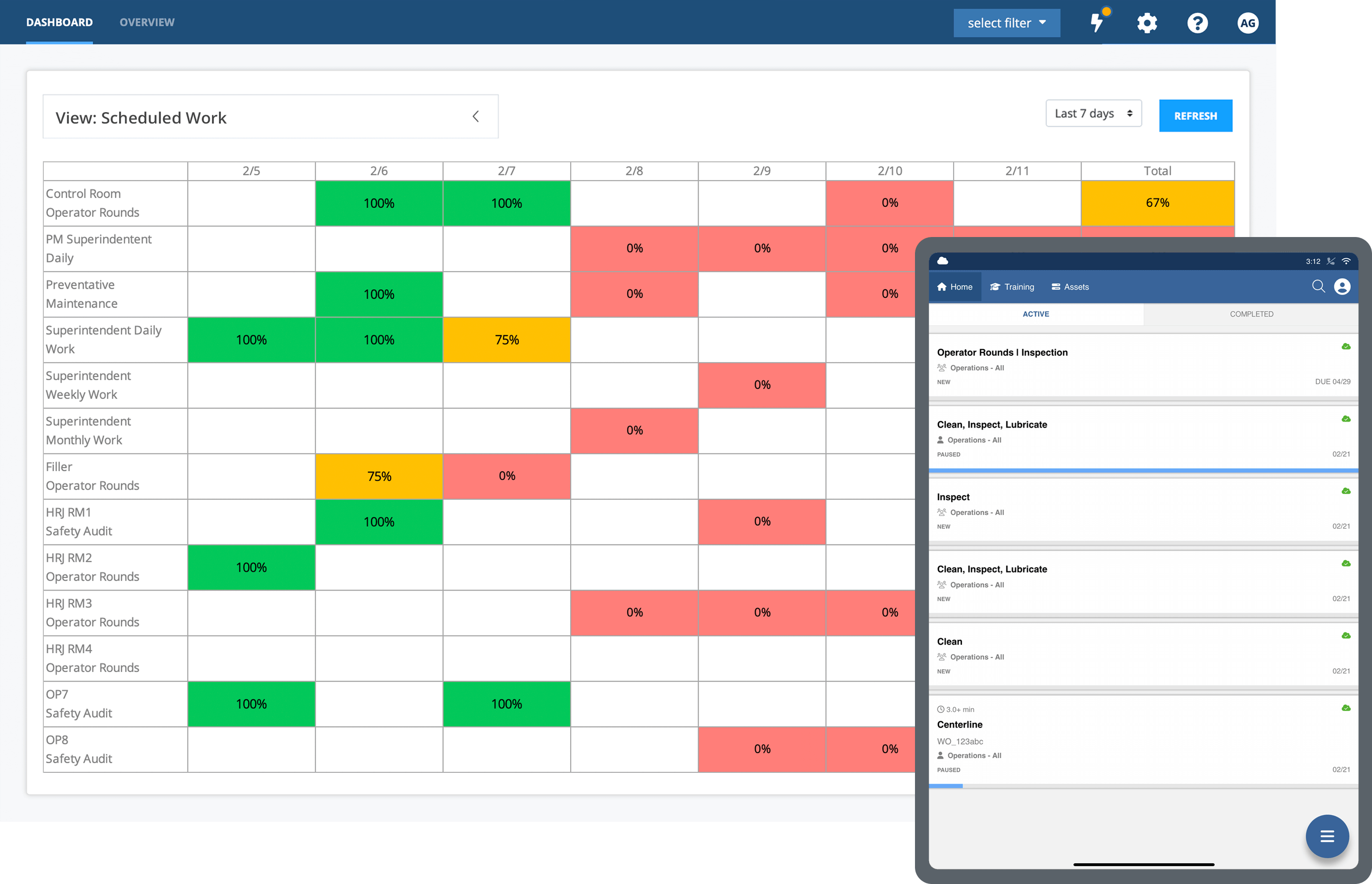
Establish and document standard work procedures to ensure consistency and reduce variations in processes, and use visual tools and connected worker solutions to schedule and assign standard work (e.g. Operator Rounds, Safety Audits, CILs, Centerlining procedures). and visually audit the work being done with built-in scheduled work reporting. This helps visually audit the work being done with build-in scheduled work reporting. By standardizing and tracking schedule work, operations leaders can prevent errors and defects from occurring.
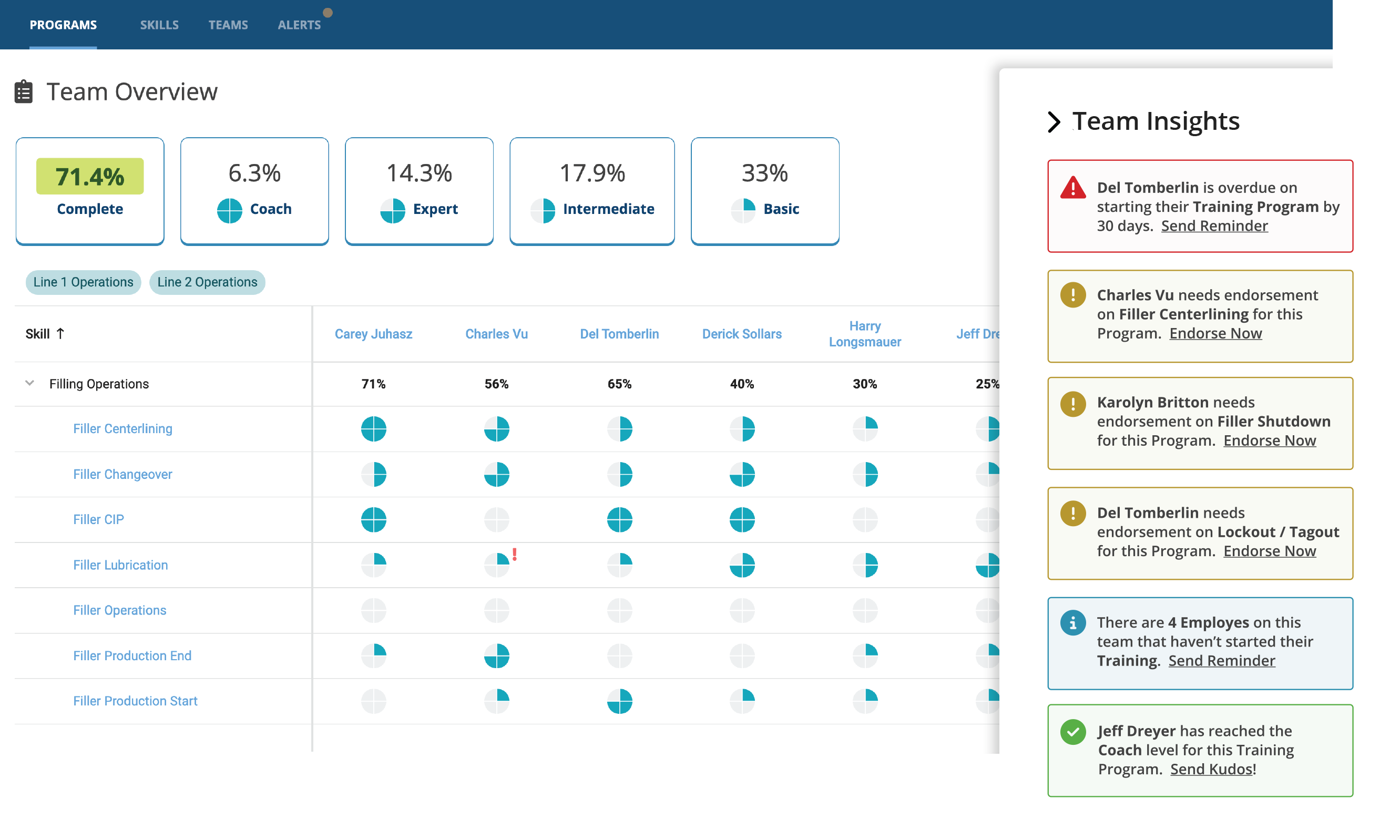
3. Digitize Skills Delivery, Tracking, and Management
Keeping track of employee skills is a beneficial way to organize a company’s resources to attain sustainable business goals. However, too often this is manually managed separately through spreadsheets, which are not readily available to operations managers. Furthermore, an employee’s access to skills and training content is often disconnected from the shop floor. Implementing a connected worker solution and digitizing skills delivery and skills management processes through mobile devices and smart manufacturing technologies is an effective way for organizations to deliver training in the flow of work, instantly visualize the skills gaps in teams, as well as track workforce skills and quickly assess both team and individual readiness.
Minimizing the hidden factory is an ongoing effort, and it often requires a commitment to a culture of continuous improvement and a proactive approach to problem-solving. By systematically identifying and addressing hidden factory issues, organizations can enhance their efficiency, quality, and competitiveness.