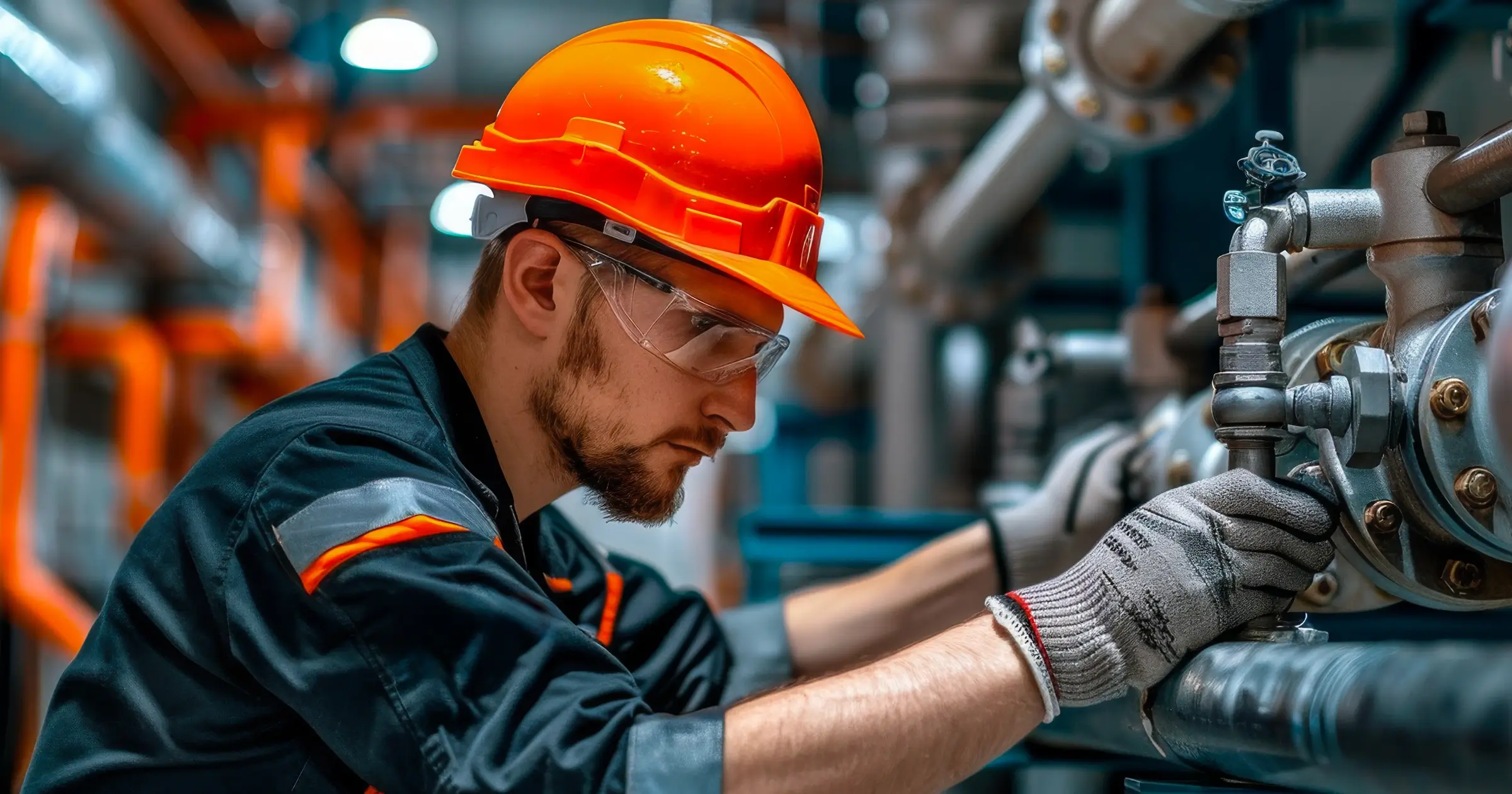
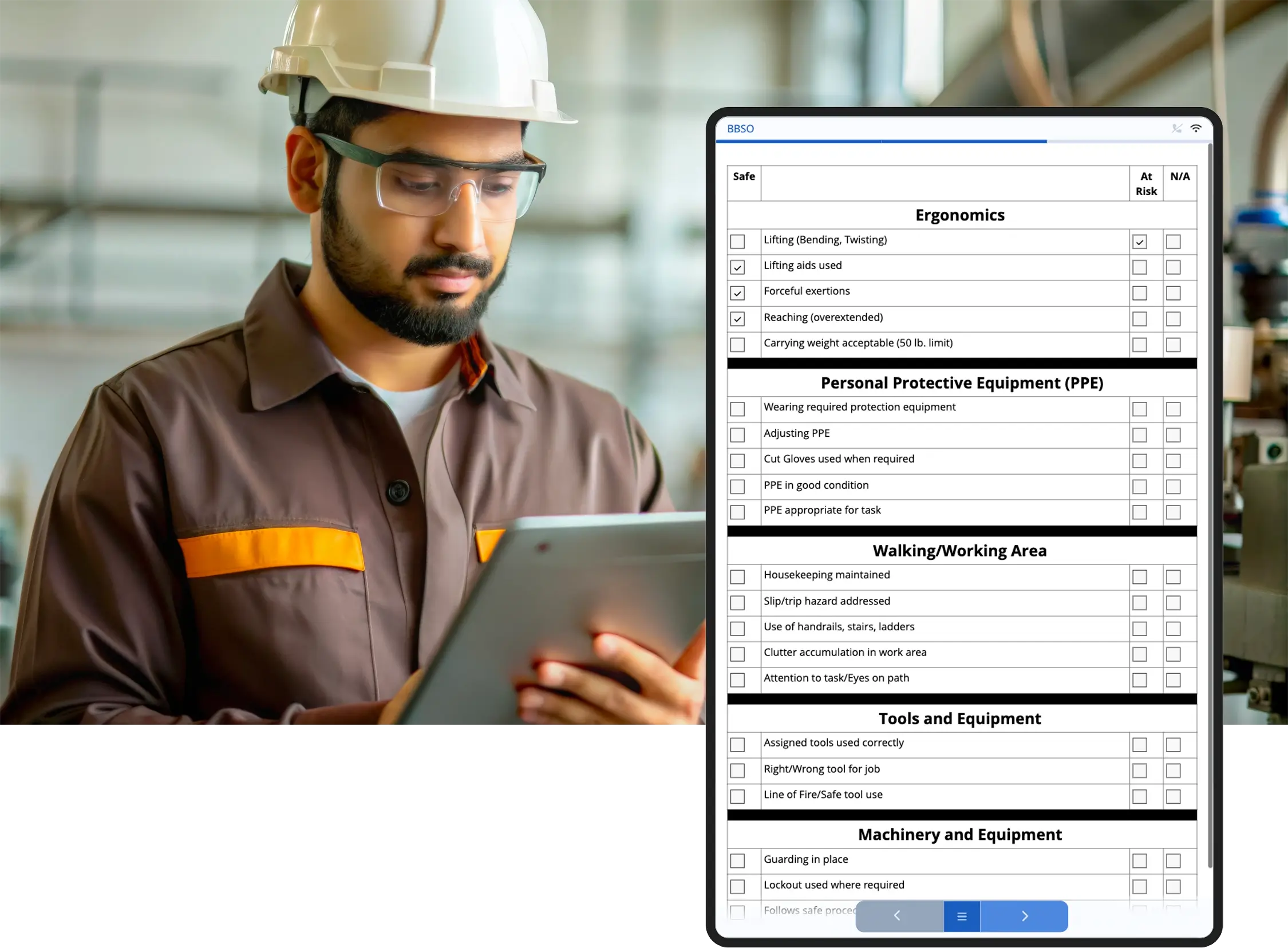
AI-powered Connected Worker solutions play a transformative role in enhancing Behavior-Based Safety Observations (BBSO) by leveraging advanced technologies to improve efficiency, accuracy, and scalability. These solutions use wearable devices, IoT, real-time data analytics, and AI-driven insights to create a safer and more informed workplace. The observation data collected through these platforms is crucial for identifying trends and patterns in worker behaviors. Here’s how Connected Worker platforms contribute:
1. Real-Time Behavior Monitoring
Devices like smart helmets, vests, and glasses monitor workers’ movements, postures, and environmental conditions. Proper equipment operation is monitored to ensure that workers are using machinery safely and effectively. AI analyzes this data in real-time to detect unsafe behavior, such as improper lifting techniques or working in hazardous zones.
Furthermore, unlike manual BBSO, AI-connected systems provide continuous observation and 24/7 monitoring, ensuring that observations are not limited to specific audits or inspections.
2. Enhanced Observation Accuracy
- Automated Data Collection: AI eliminates human bias in observing and recording behaviors, ensuring consistent and objective data. Behavior based safety checklists are used to ensure that all observations are thorough and consistent.
- Pattern Recognition: AI algorithms identify trends and patterns in worker behaviors, flagging recurring risks without engaging in fault finding.
3. Immediate Feedback and Coaching
- Real-Time Alerts: Workers receive instant feedback through wearable devices or connected apps if unsafe behaviors are detected. For example, if a worker enters a restricted area without authorization, an alert can warn them immediately. Recognizing and reinforcing positive behavior through real-time alerts can significantly enhance safety performance.
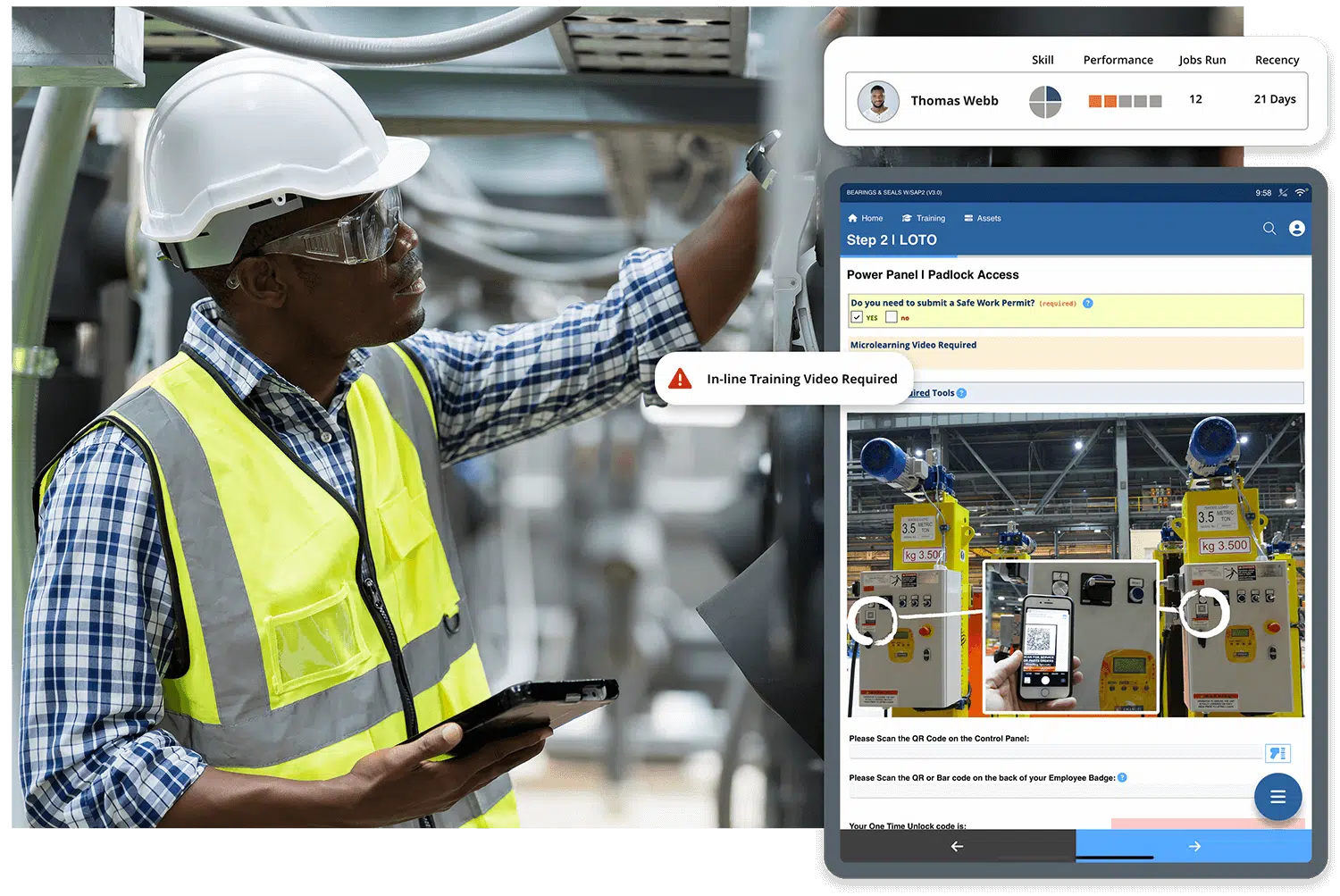
- Interactive Training Modules: AI-powered platforms can suggest tailored safety training sessions based on the specific behaviors observed, ensuring workers receive relevant and timely education.
4. Proactive Risk Mitigation
- Predictive Analytics: AI analyzes historical and real-time data collected to predict potential incidents based on behavioral trends. This allows organizations to implement proactive measures before an accident occurs.
- Risk Scoring: Workers or tasks are assigned risk scores, helping managers prioritize interventions and focus on high-risk areas. By addressing these risks proactively, organizations can prevent accidents and enhance overall safety.
5. Streamlined Data Management and Analysis
- Centralized Platforms: AI integrates observation data collected from multiple sources (e.g., wearables, cameras, and manual observations) into a unified dashboard for easy analysis.
- Actionable Insights: Advanced analytics highlight key areas for improvement based on the data gathered, such as a high frequency of unsafe lifting or inadequate PPE compliance, enabling data-driven decision-making.
6. Scalability and Efficiency
- Remote Observations: AI-powered systems enable remote monitoring, reducing the need for physical presence and increasing coverage across multiple sites. Safety managers can use the data collected from remote observations to create preventive safety measures and improve overall safety outcomes.
- Efficiency Gains: Automating BBSO processes saves time, allowing safety professionals to focus on strategy and intervention rather than manual data collection.
In 2024, OSHA implemented a rule that requires employers with 100 or more employees in certain “high hazard” industries to electronically submit annual reports to OSHA of every significant workplace incident. The need for digital capture / recording of safety observations, safety incidents start with an AI-Powered Connected Worker solution, like Augmentir. By integrating these Connected Worker solutions, organizations can take their BBSO programs to the next level, fostering a safer, more efficient, and data-driven workplace.